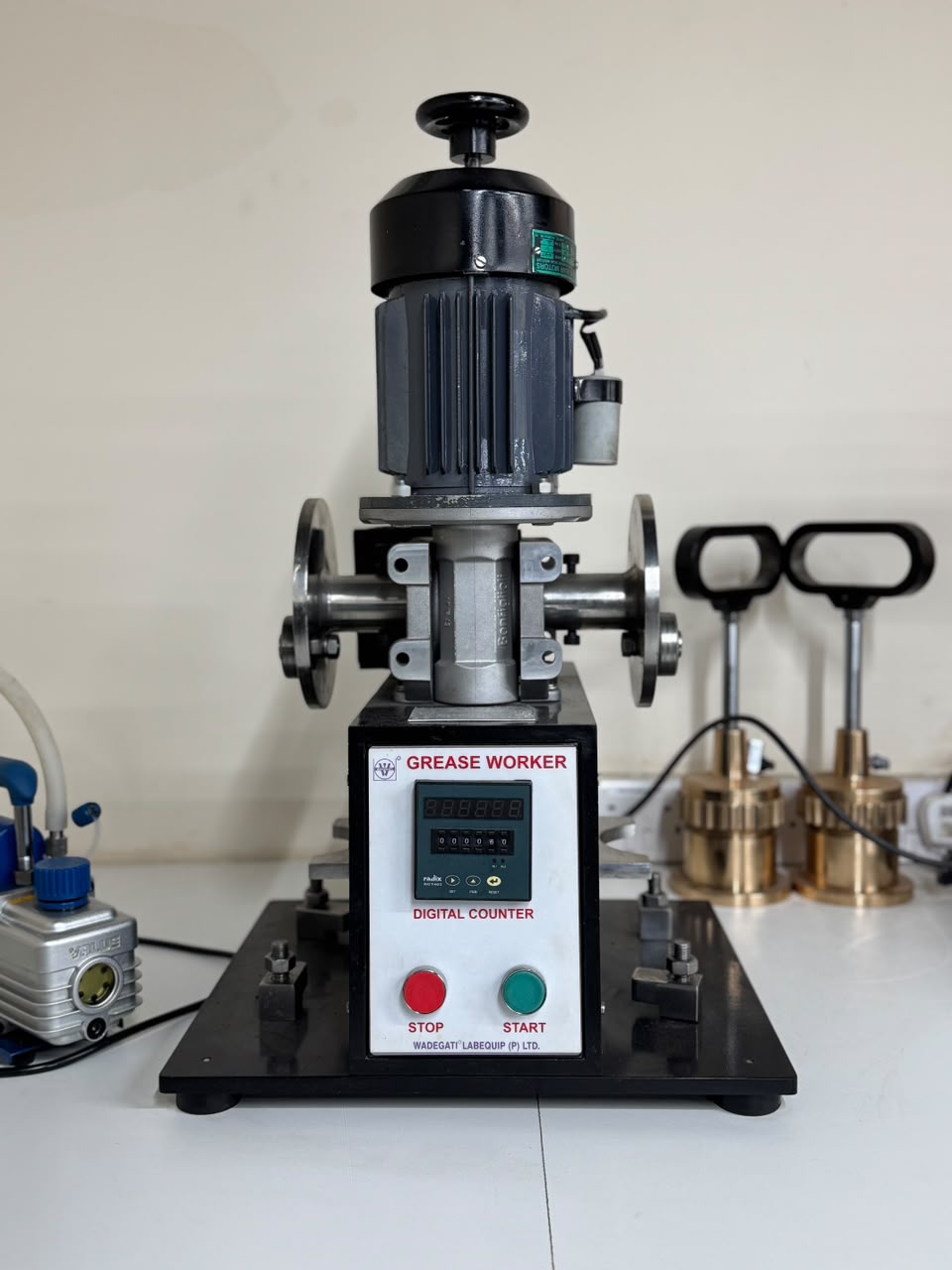
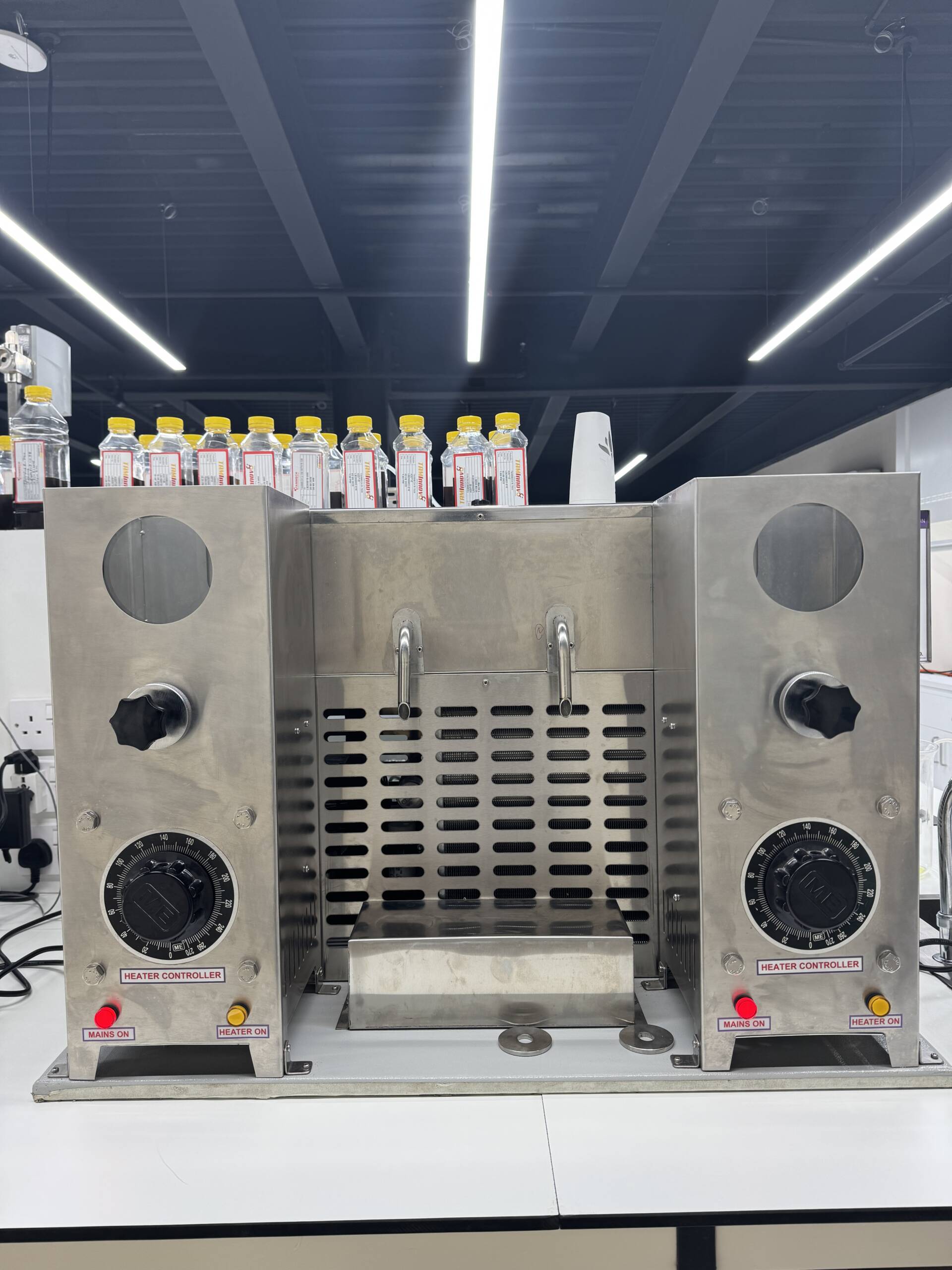
Mechanical Grease Worker
Mechanically works grease with repeated strokes to prepare samples for consistency and mechanical-stability assessment.

Explore the equipment supporting lubricant research, formulation, and testing at TAMInnov8. Find each instrument, see its photograph, and understand what it measures.
From viscosity and chemical analysis to grease, corrosion, and marine testing, explore the instruments and supporting equipment in our laboratory.
Mechanically works grease with repeated strokes to prepare samples for consistency and mechanical-stability assessment.
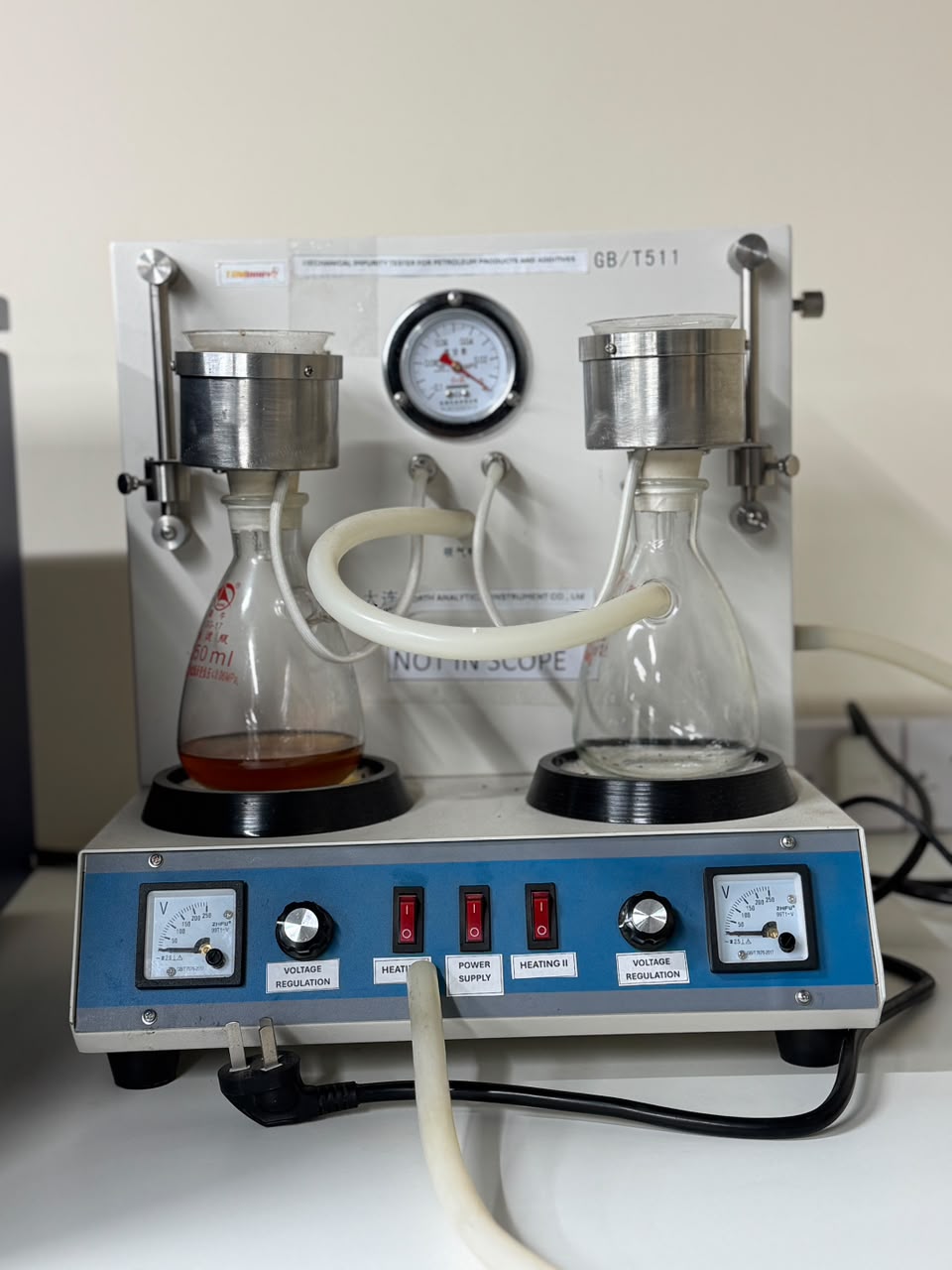
Evaluates how readily oil separates from water after mixing, supporting assessment of emulsion behaviour.
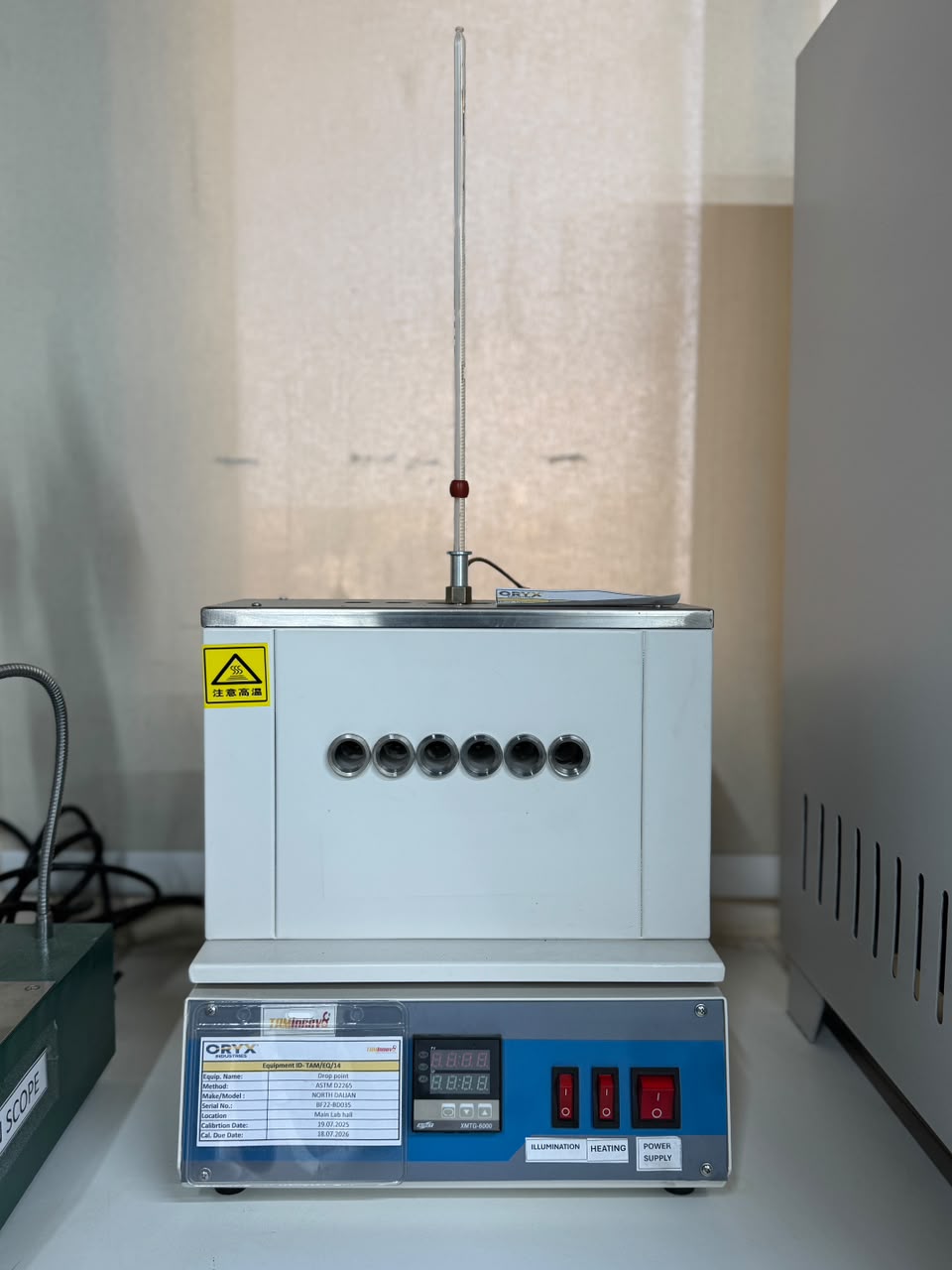
Determines the temperature at which grease releases a drop under specified test conditions.
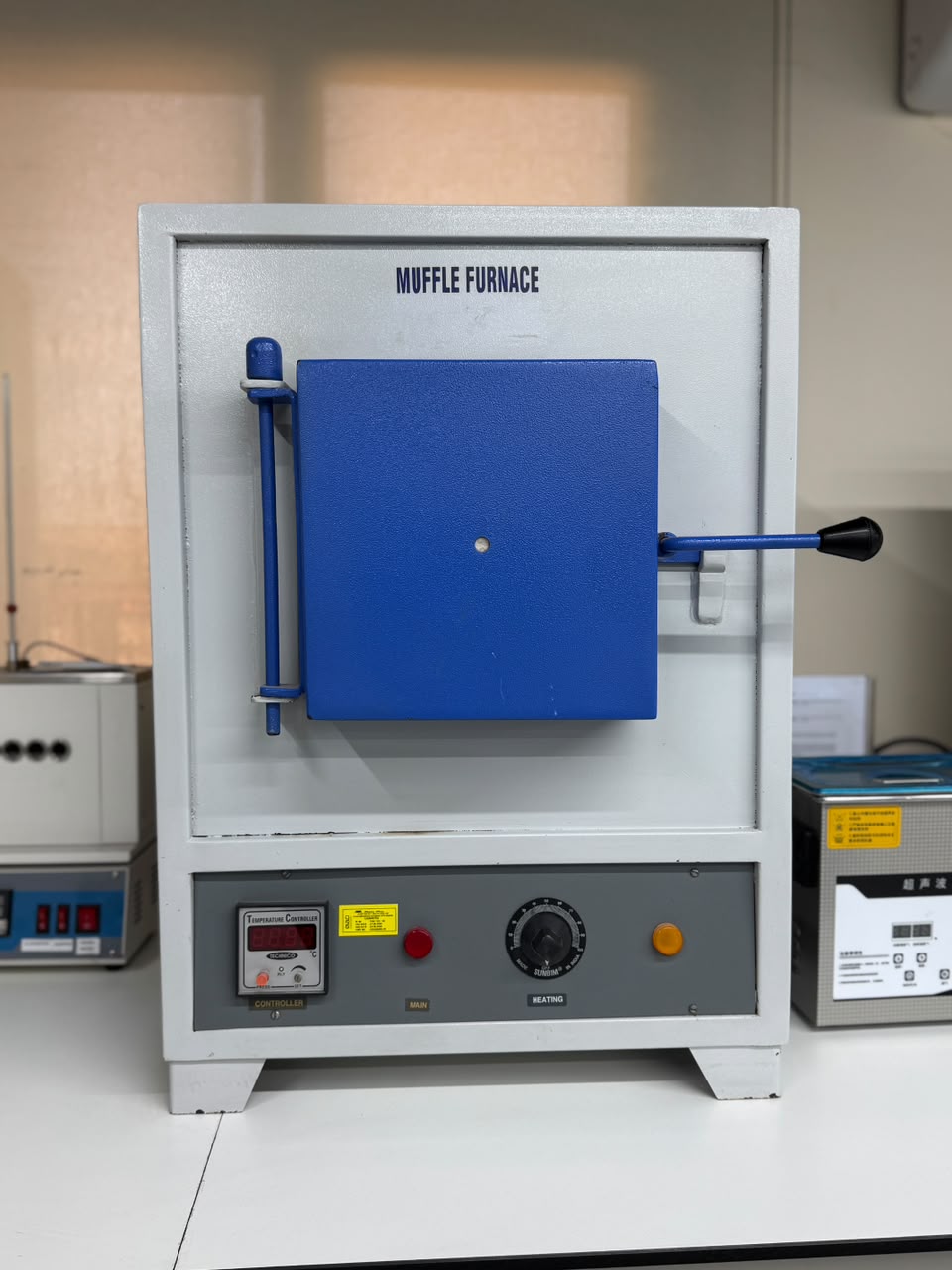
Provides an enclosed high-temperature chamber for sample heating, ashing, and thermal preparation.
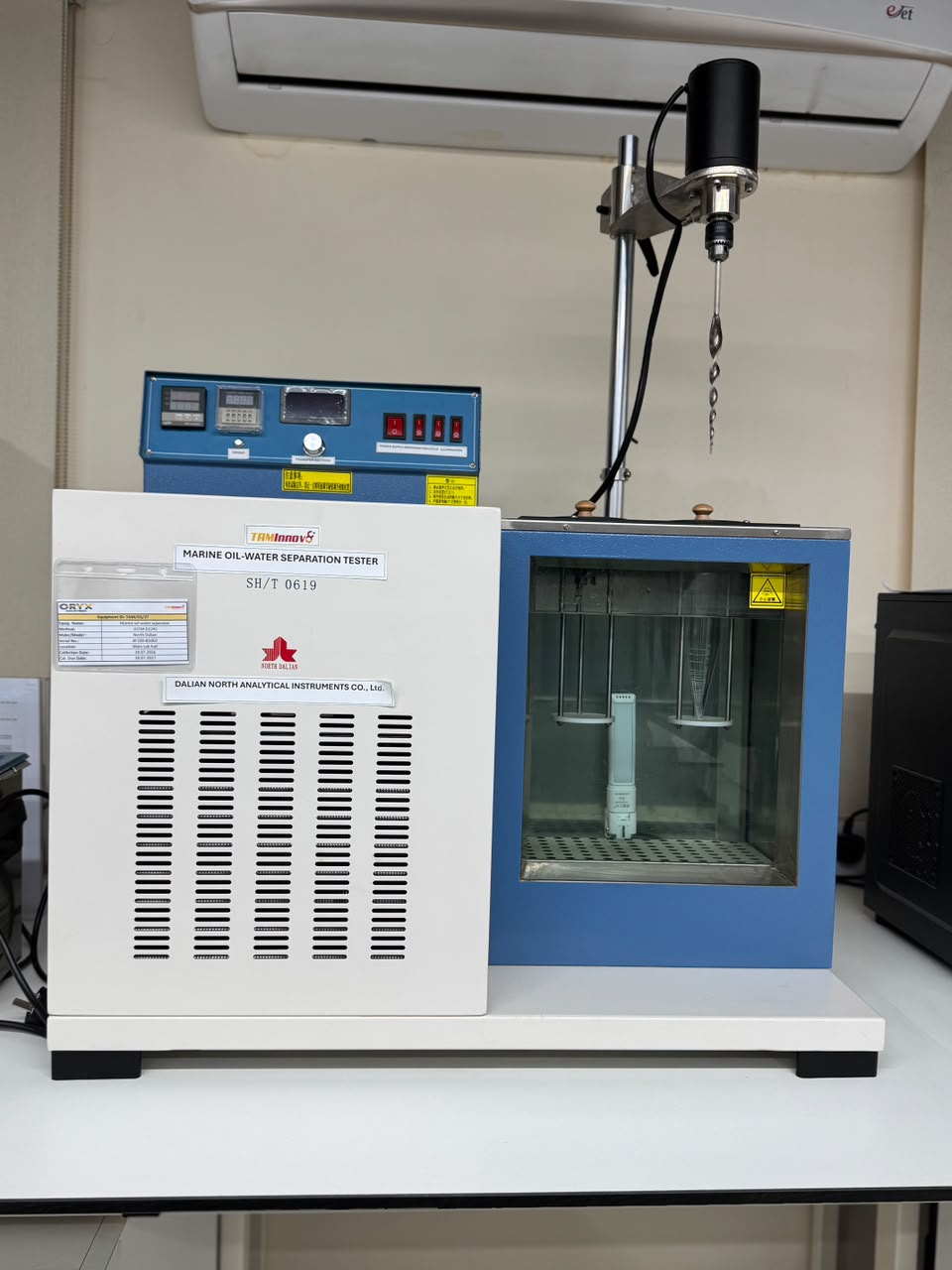
Assesses the separation of water from marine lubricating oils under controlled test conditions.
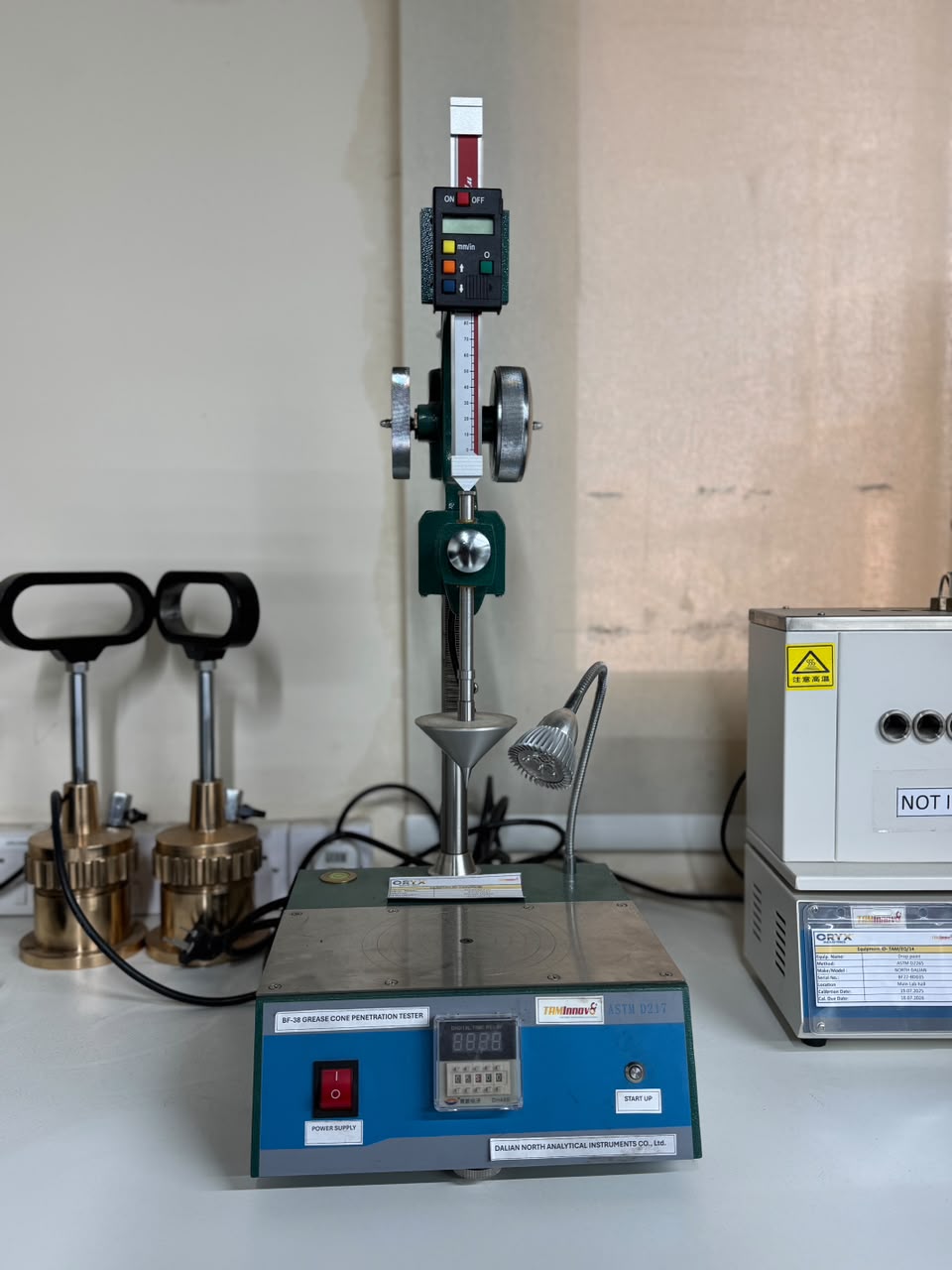
Measures how deeply a standard cone penetrates grease to assess its consistency.
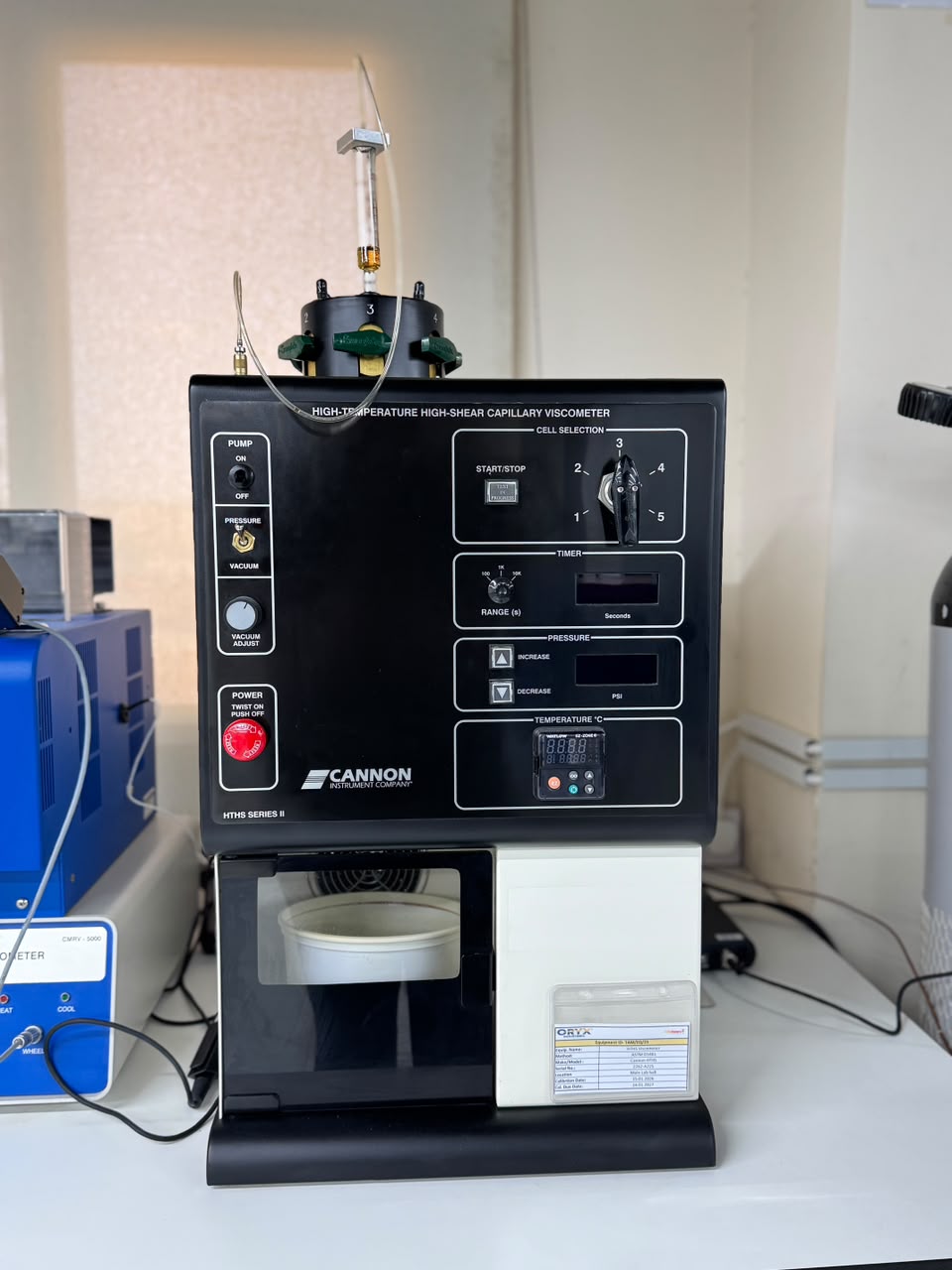
Measures lubricant viscosity at elevated temperature and high shear, helping assess behaviour in heavily sheared oil films.
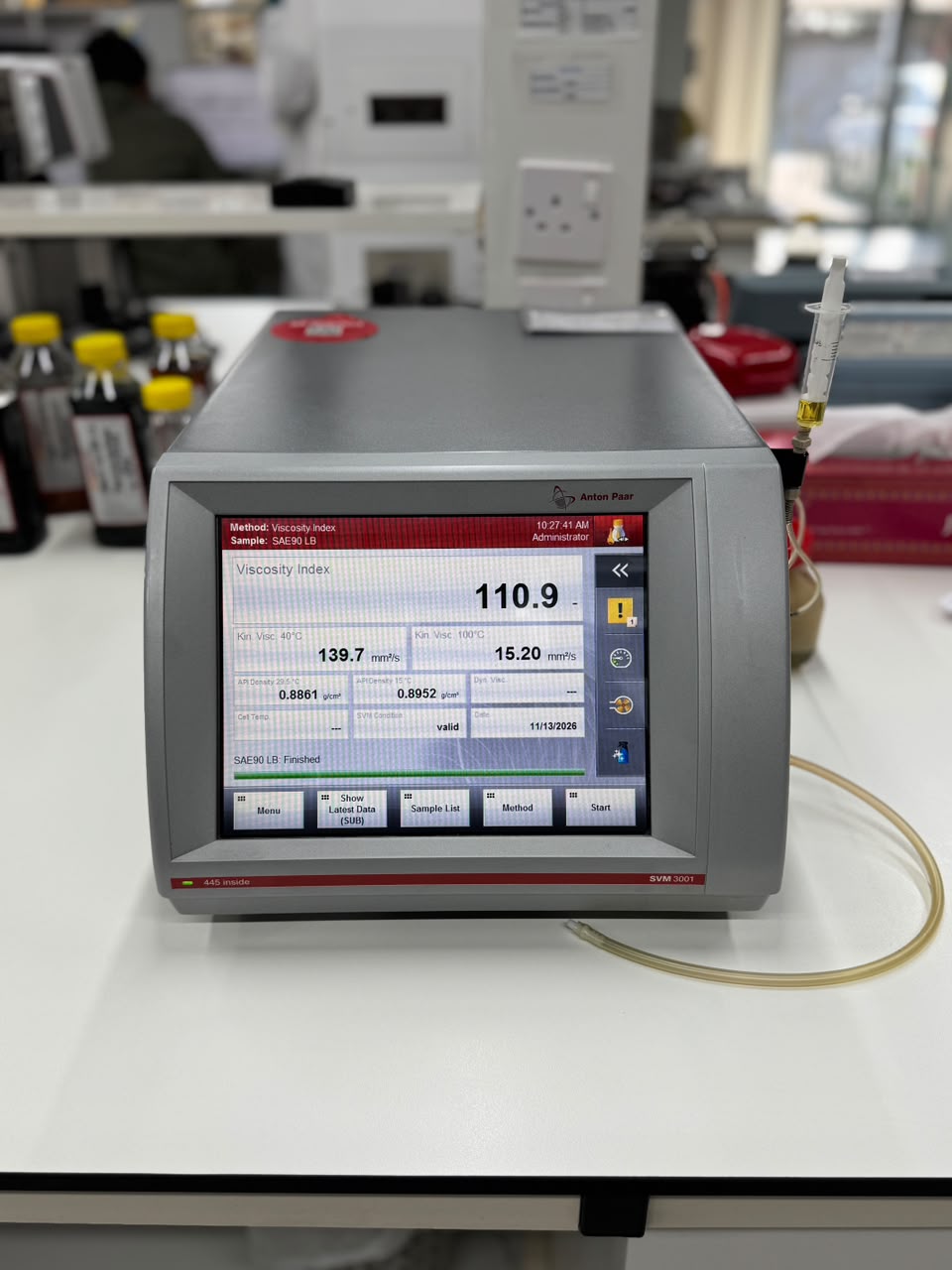
Automates kinematic-viscosity measurement at controlled temperatures to compare lubricant flow behaviour.
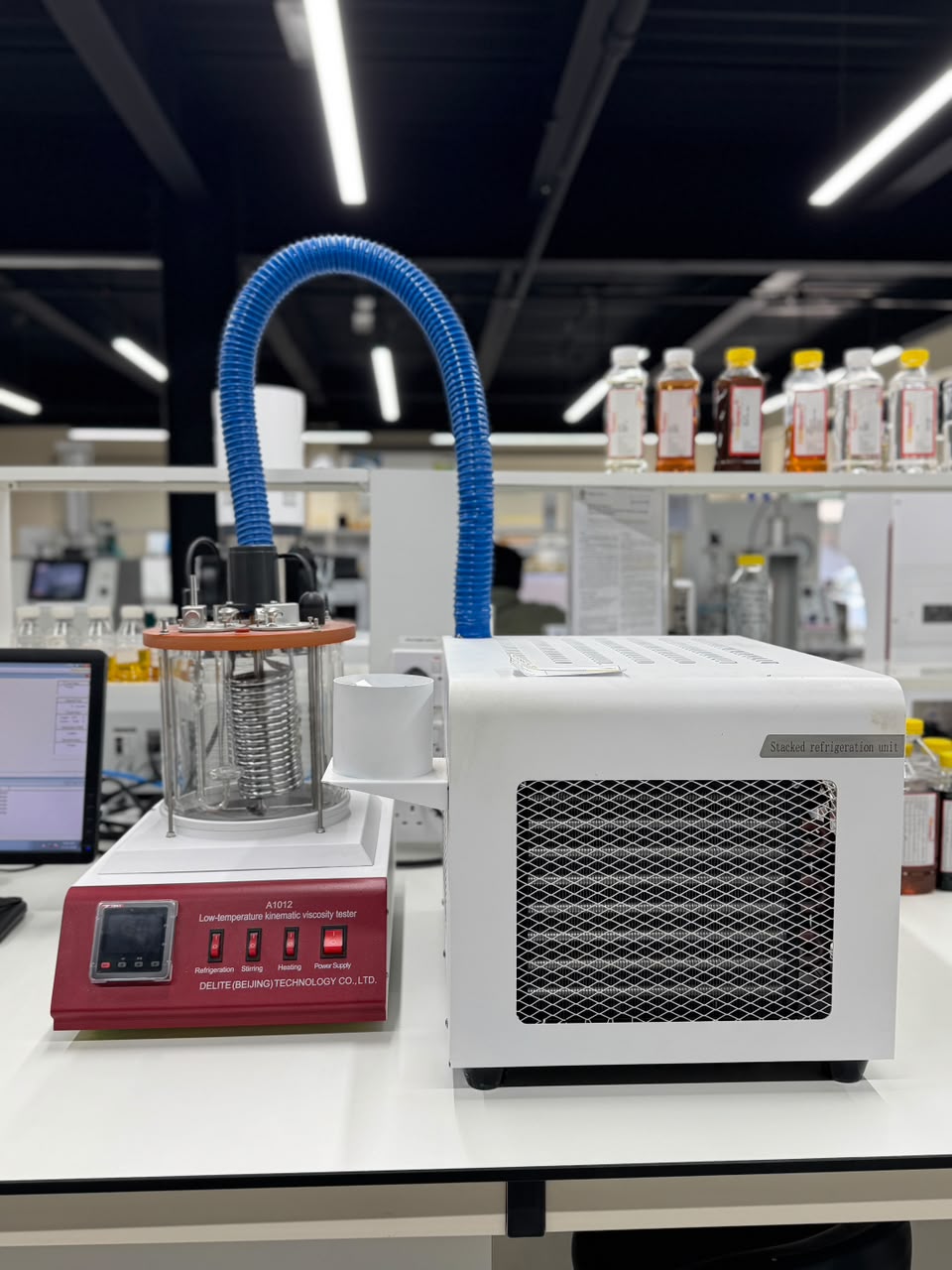
Measures kinematic viscosity under controlled low-temperature conditions to assess fluid flow when cold.
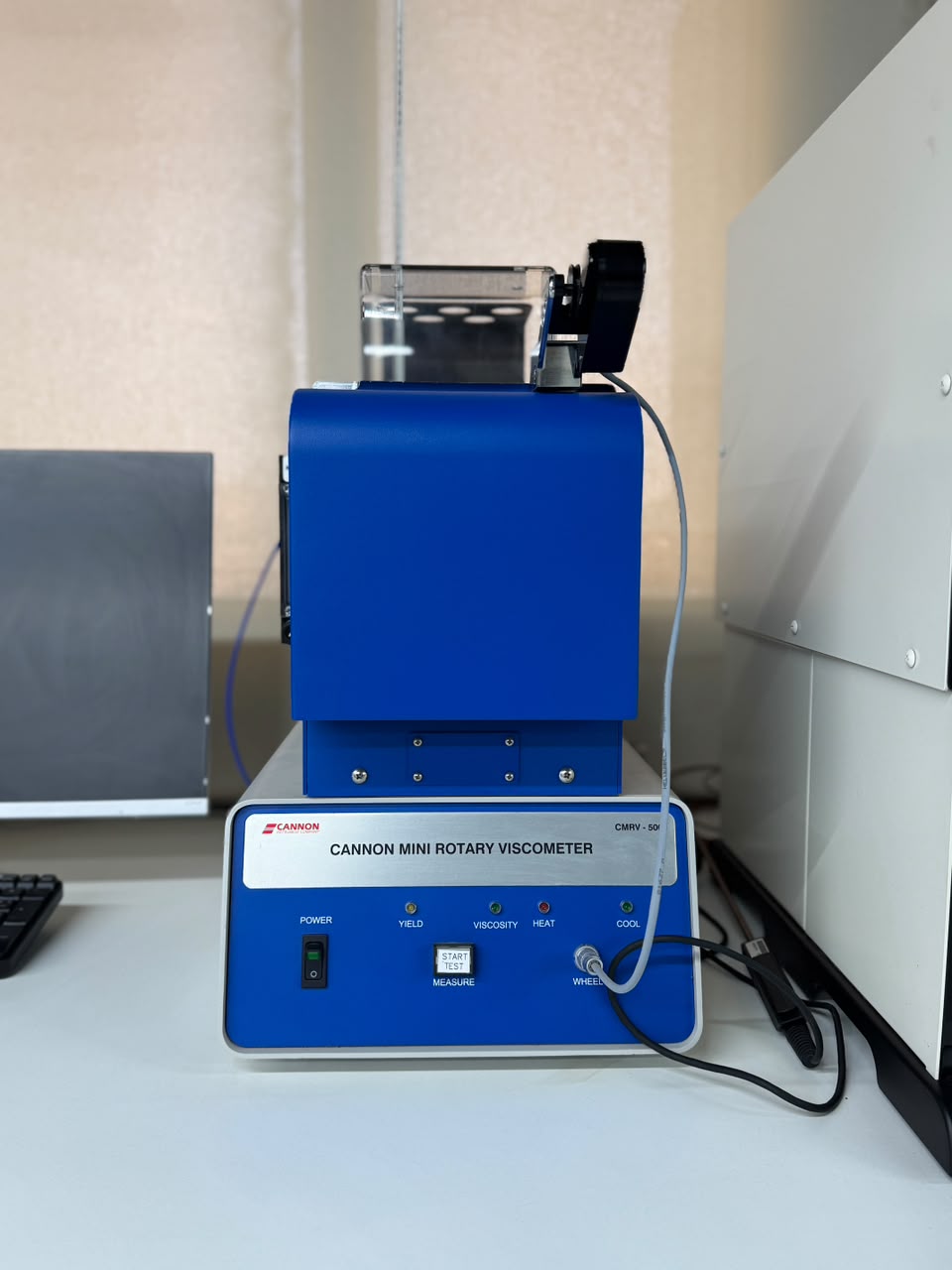
Measures low-temperature apparent viscosity and yield stress to help evaluate engine-oil pumpability.
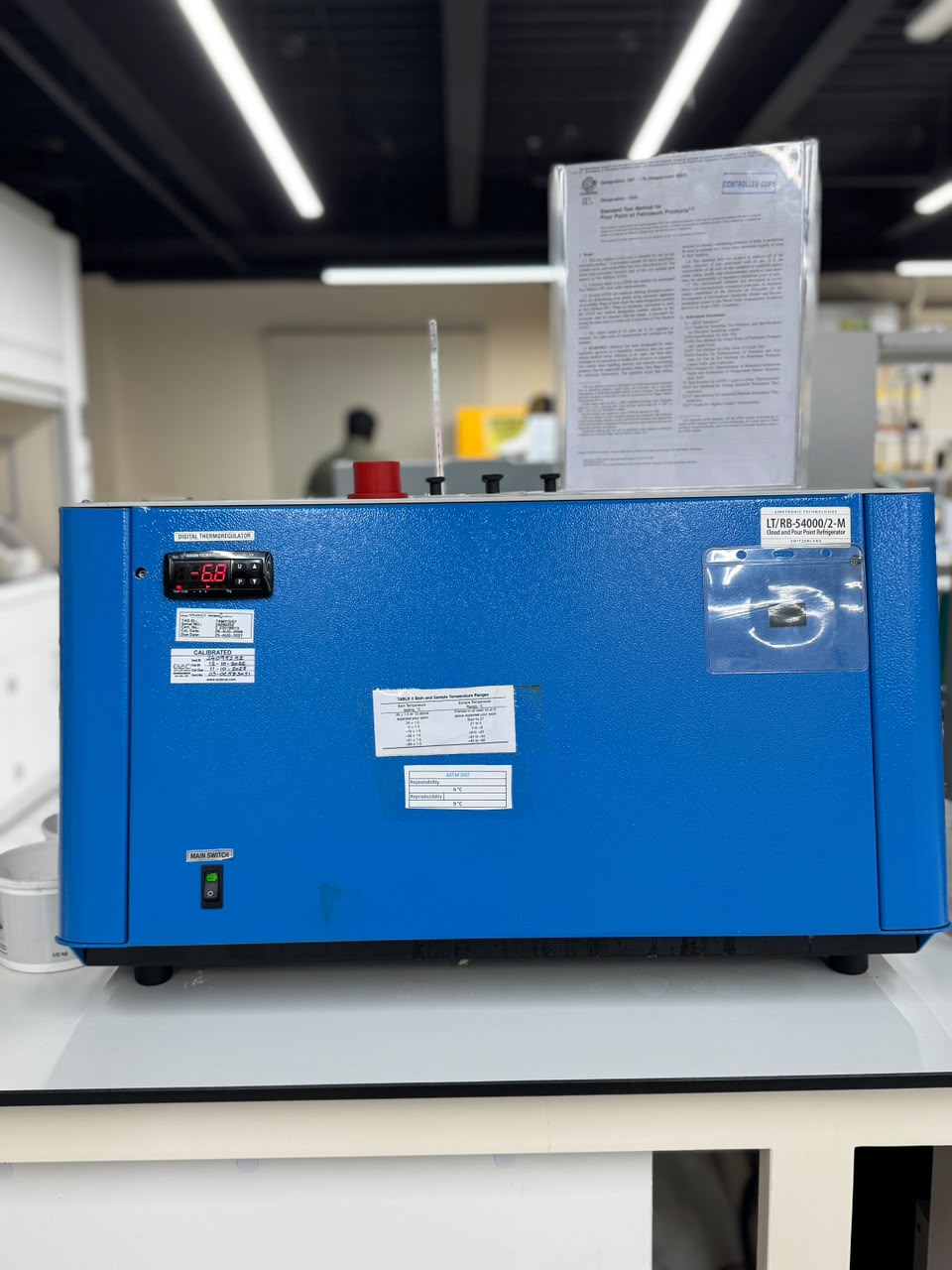
Supplies controlled cooling for sample conditioning and temperature-dependent laboratory measurements.
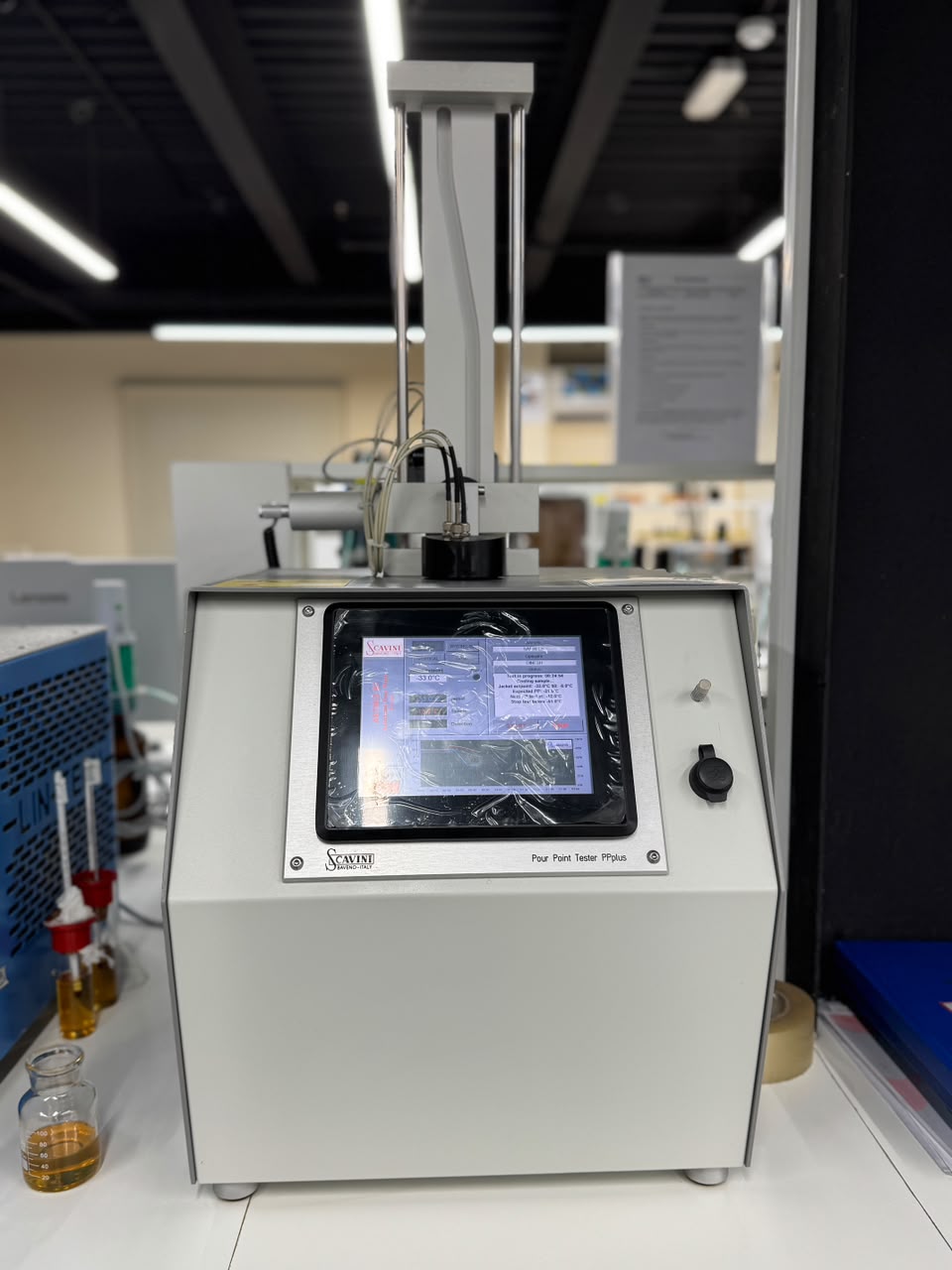
Automatically determines a sample’s low-temperature flow limit using the selected pour-point test procedure.
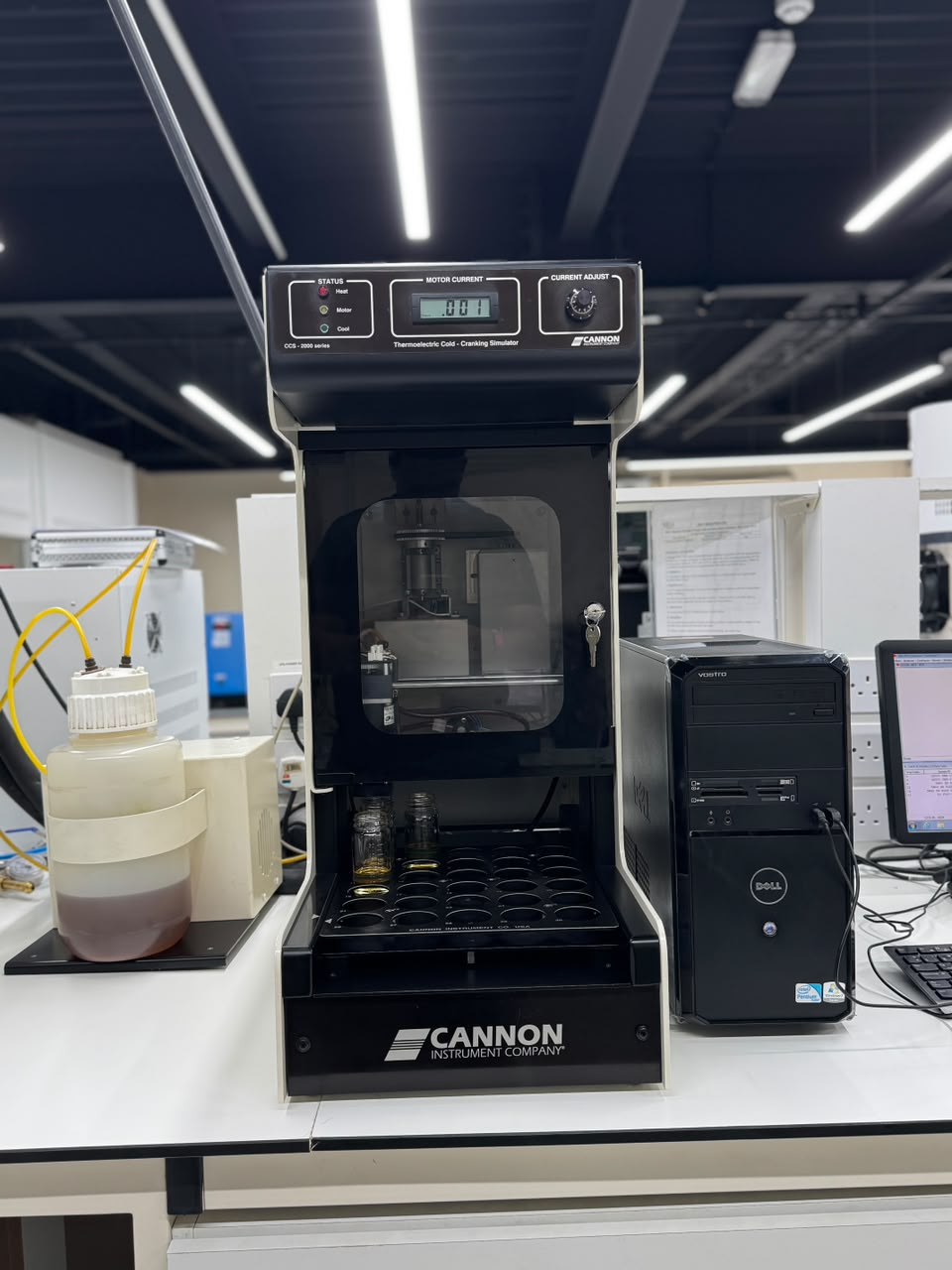
Measures engine-oil apparent viscosity at low temperatures to assess resistance during cold cranking.
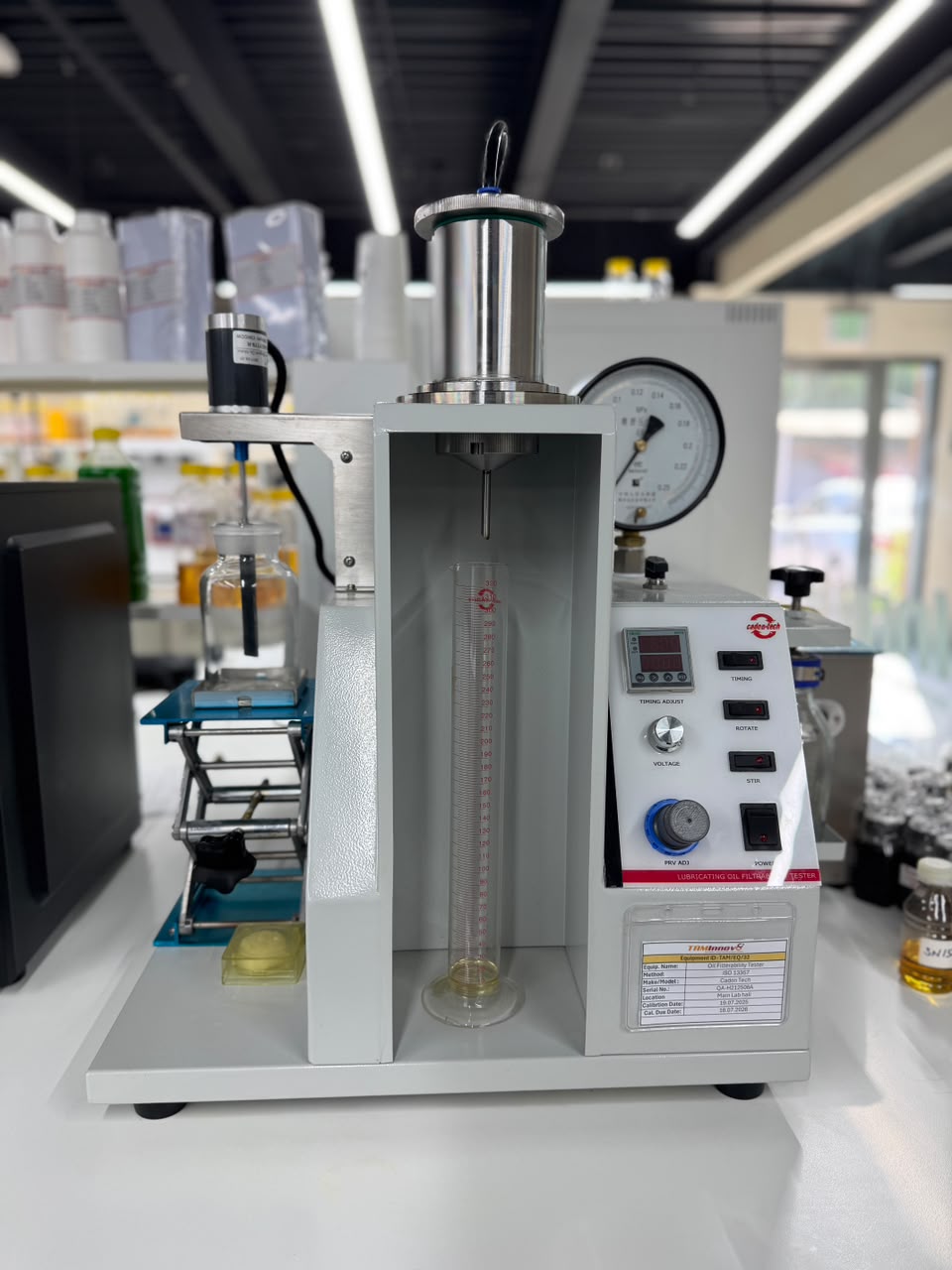
Evaluates how readily a fluid passes through a specified filter under controlled conditions.
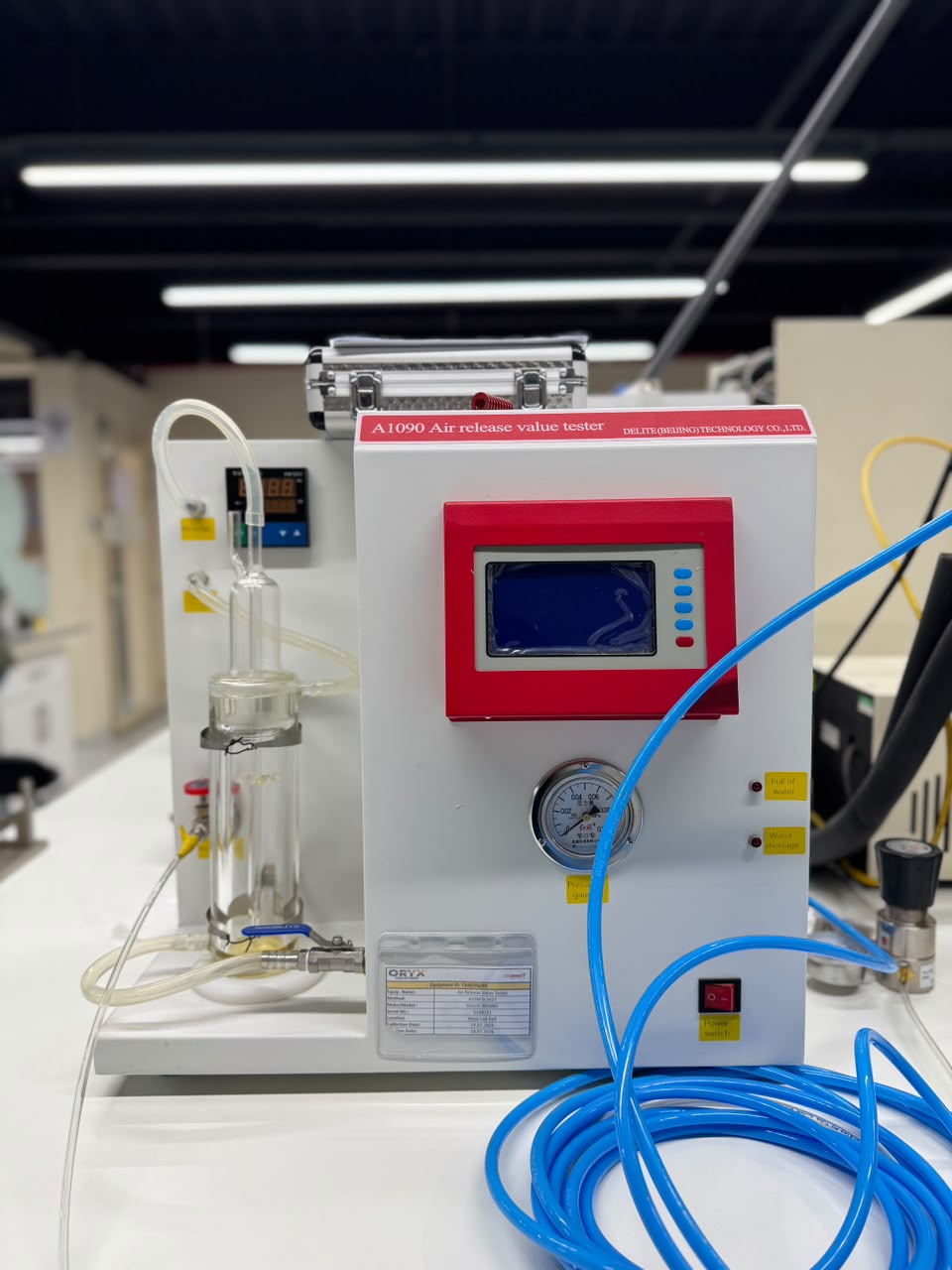
Measures how quickly entrained air separates from lubricating oil under controlled test conditions.
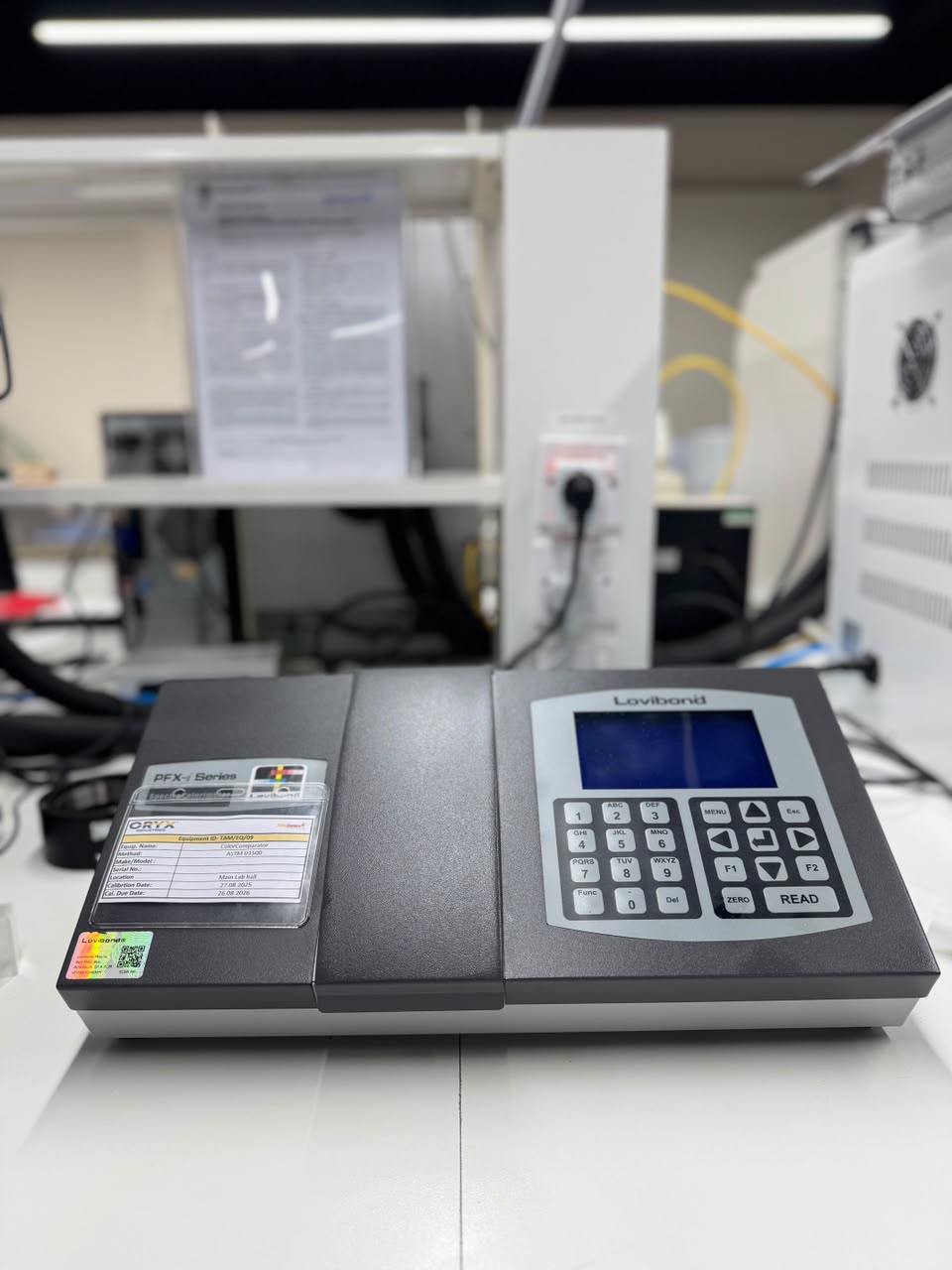
Measures sample colour using optical methods to support consistent appearance checks and product comparison.
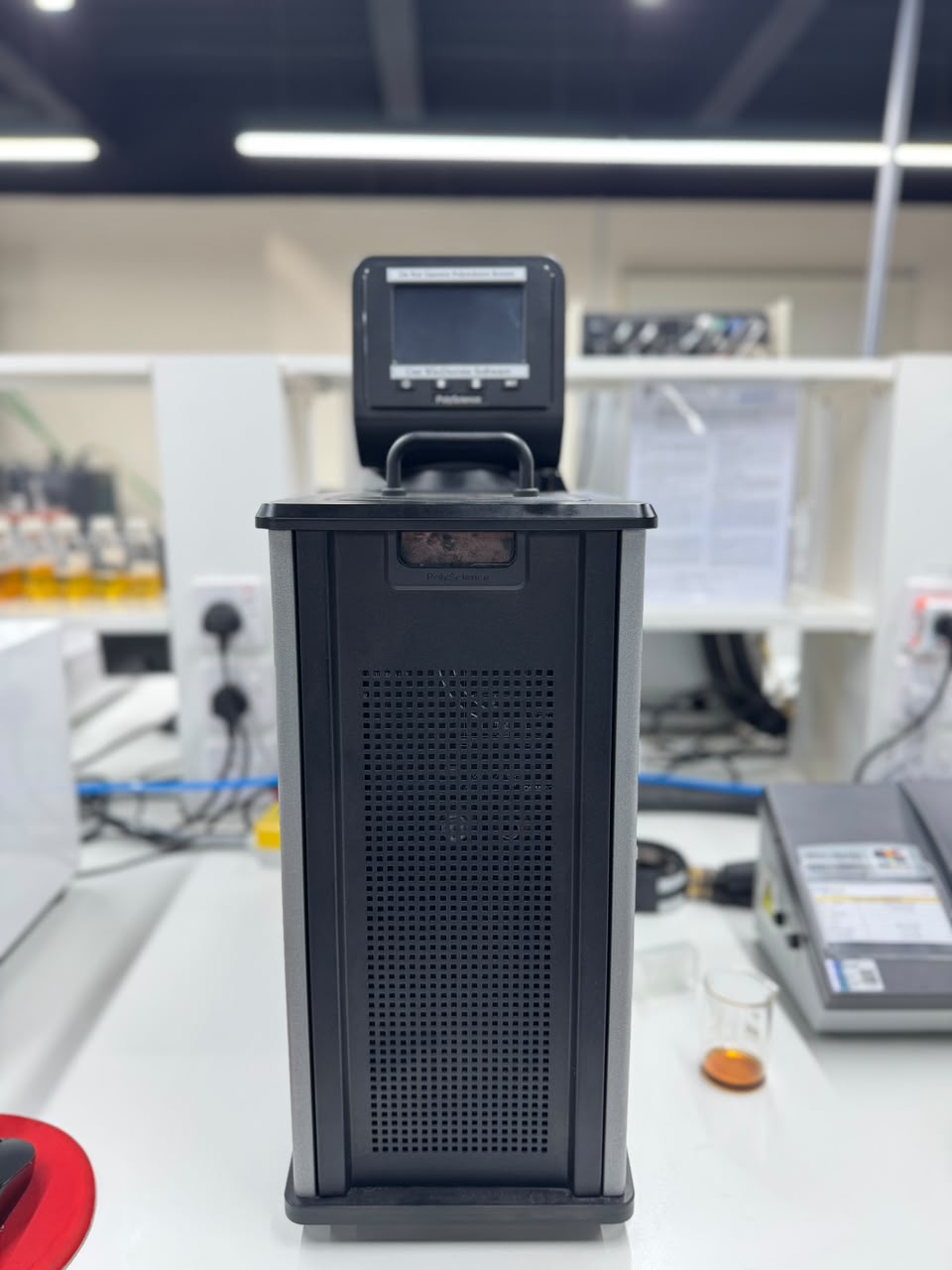
Maintains a stable fluid temperature for sample conditioning and connected laboratory equipment.
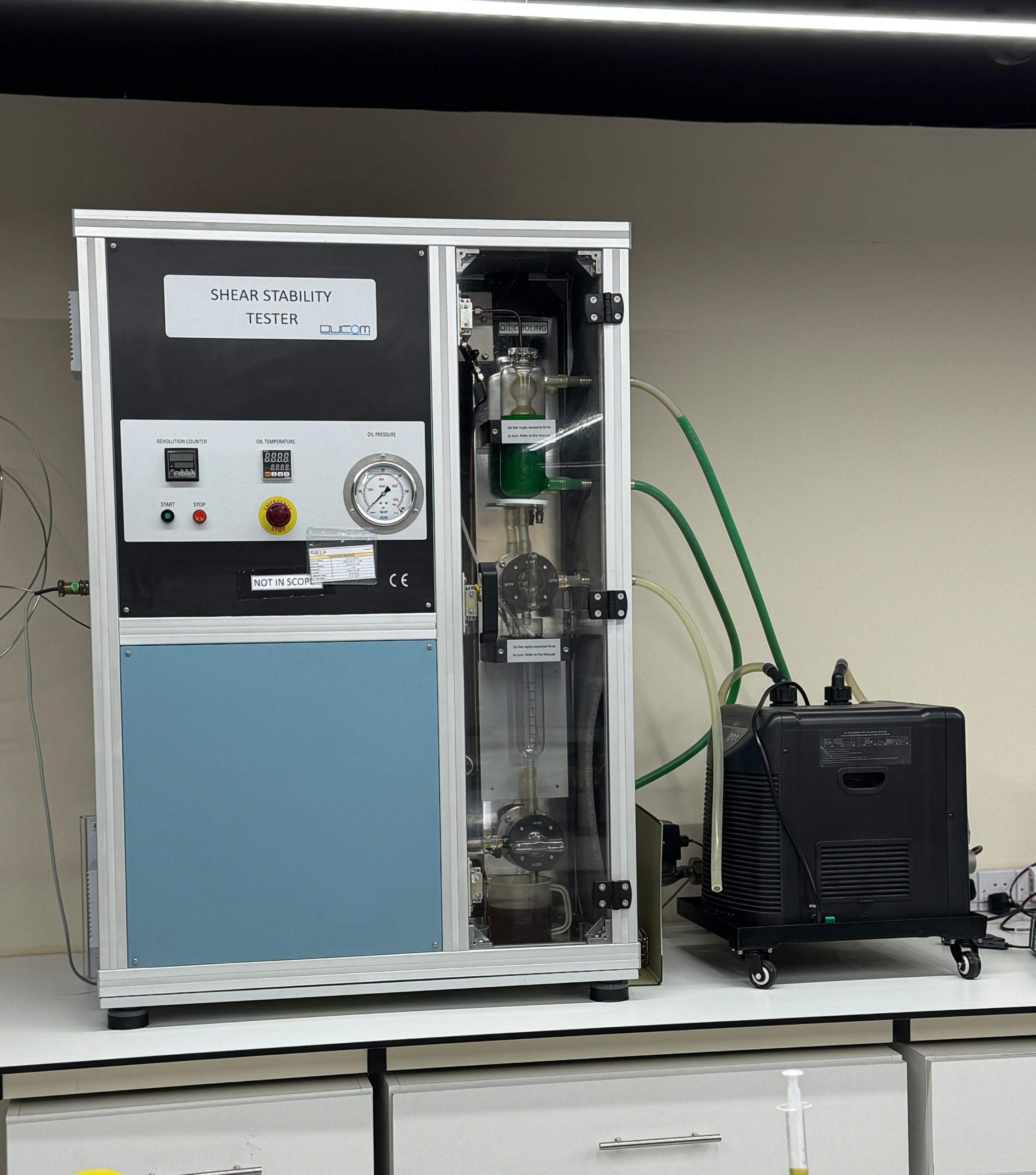
Applies mechanical shearing to assess permanent viscosity loss in polymer-containing lubricants.
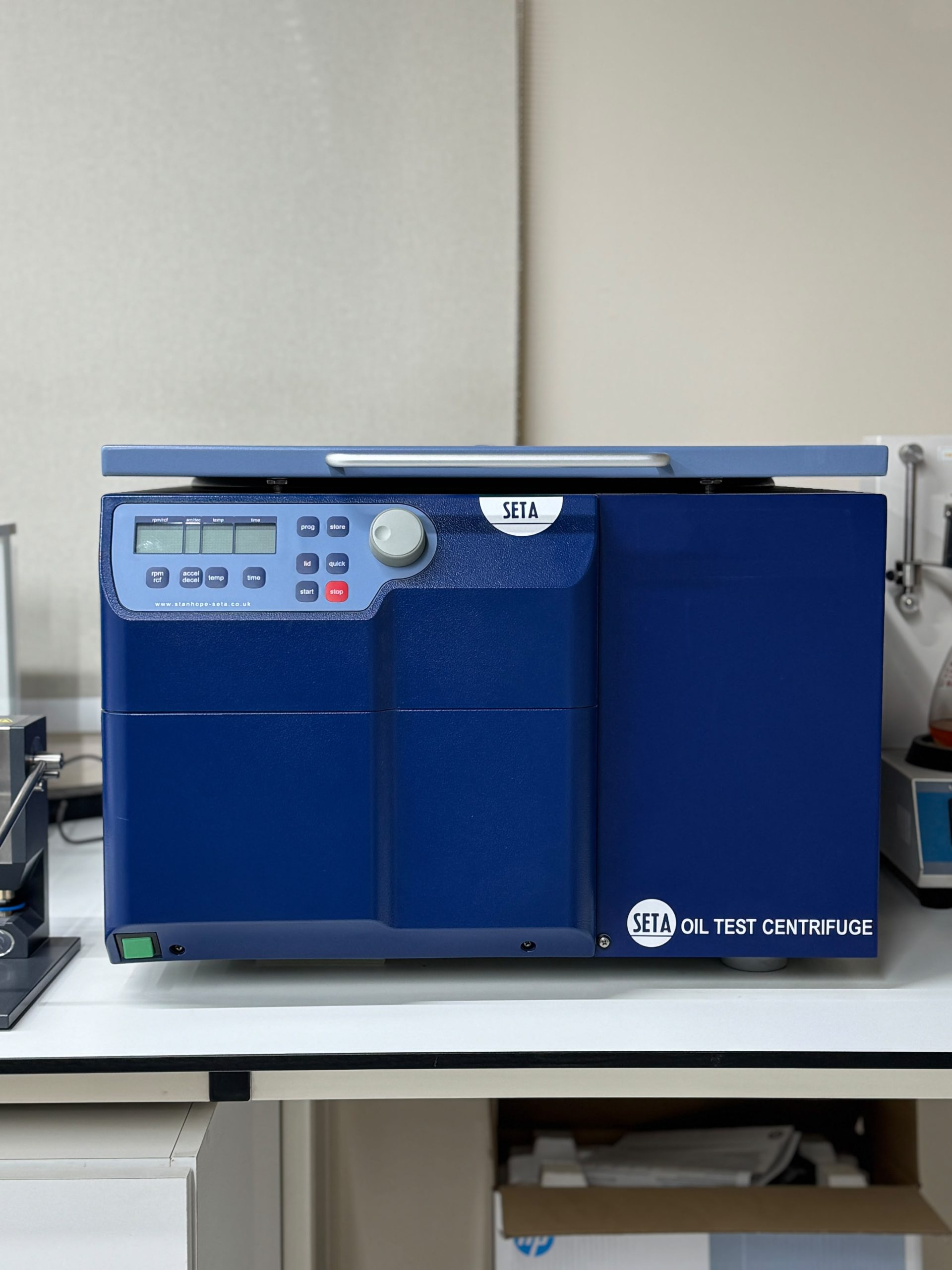
Uses centrifugal separation to assist assessment of sediment and separated phases in oil samples.
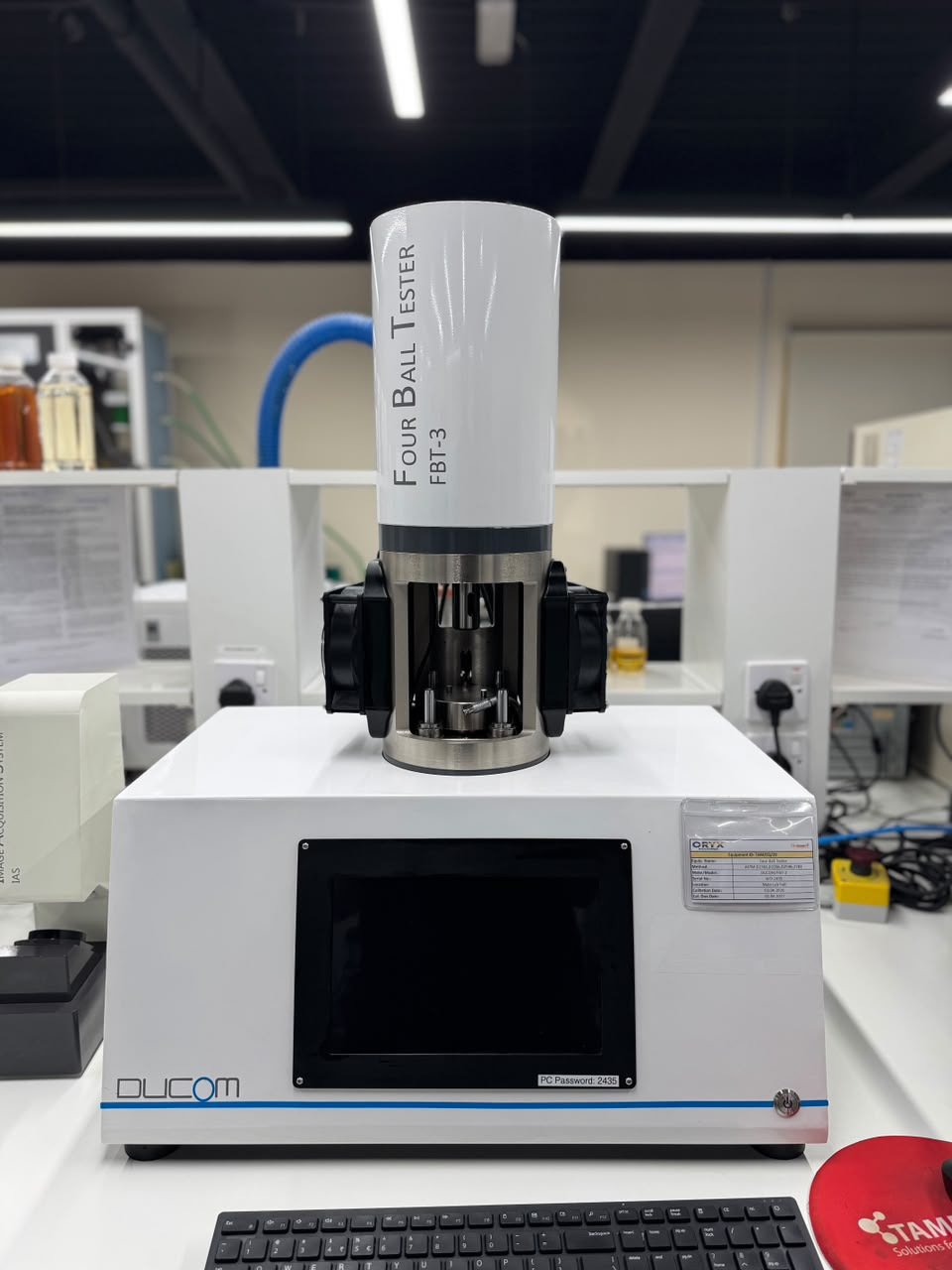
Supports lubricant wear and load-carrying evaluation. The KRL setup assesses viscosity loss under mechanical shear.
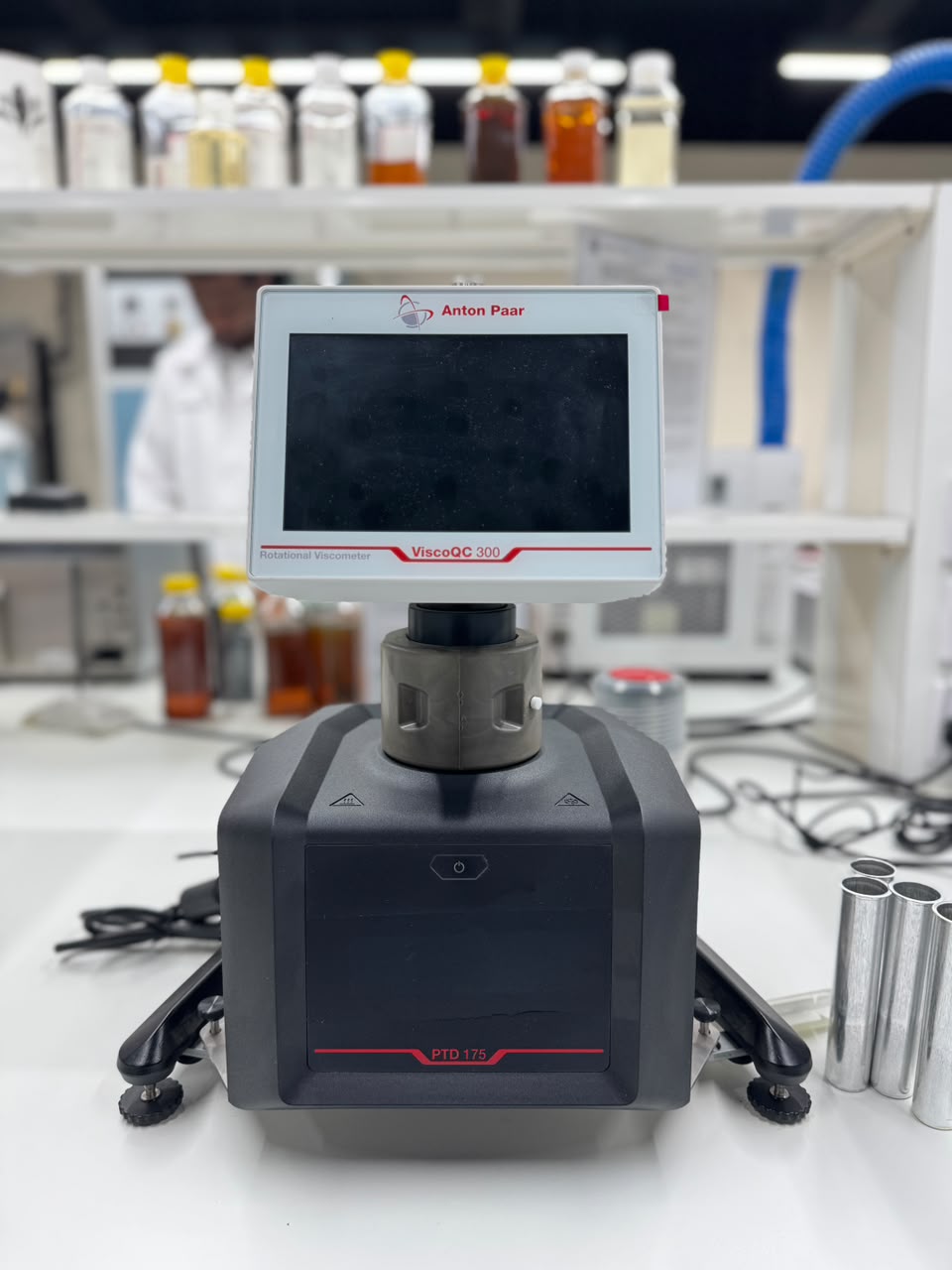
Measures rotational viscosity of liquids and semi-solids to compare flow behaviour under defined conditions.
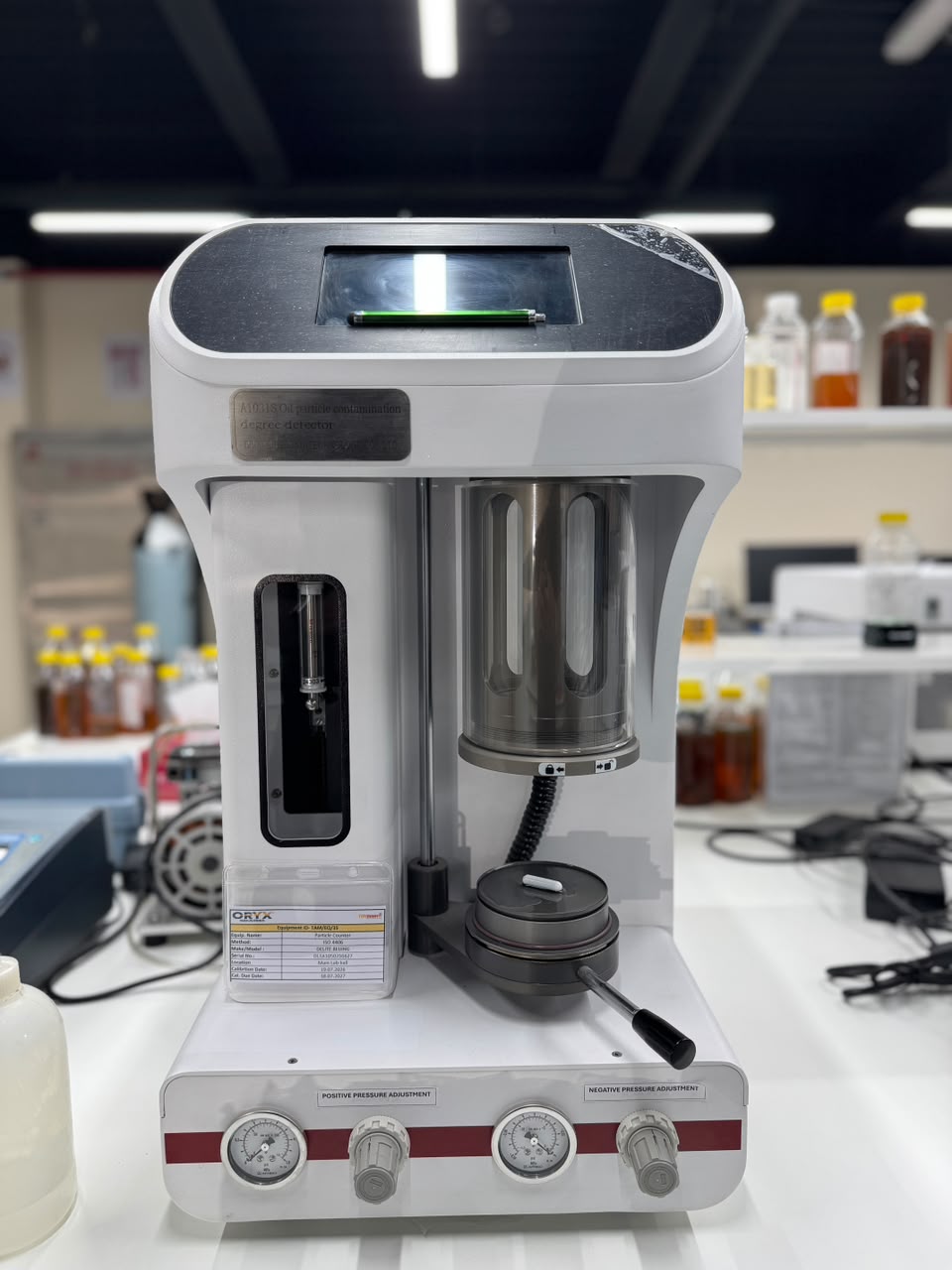
Counts and sizes particles in fluid samples to assess cleanliness and contamination levels.
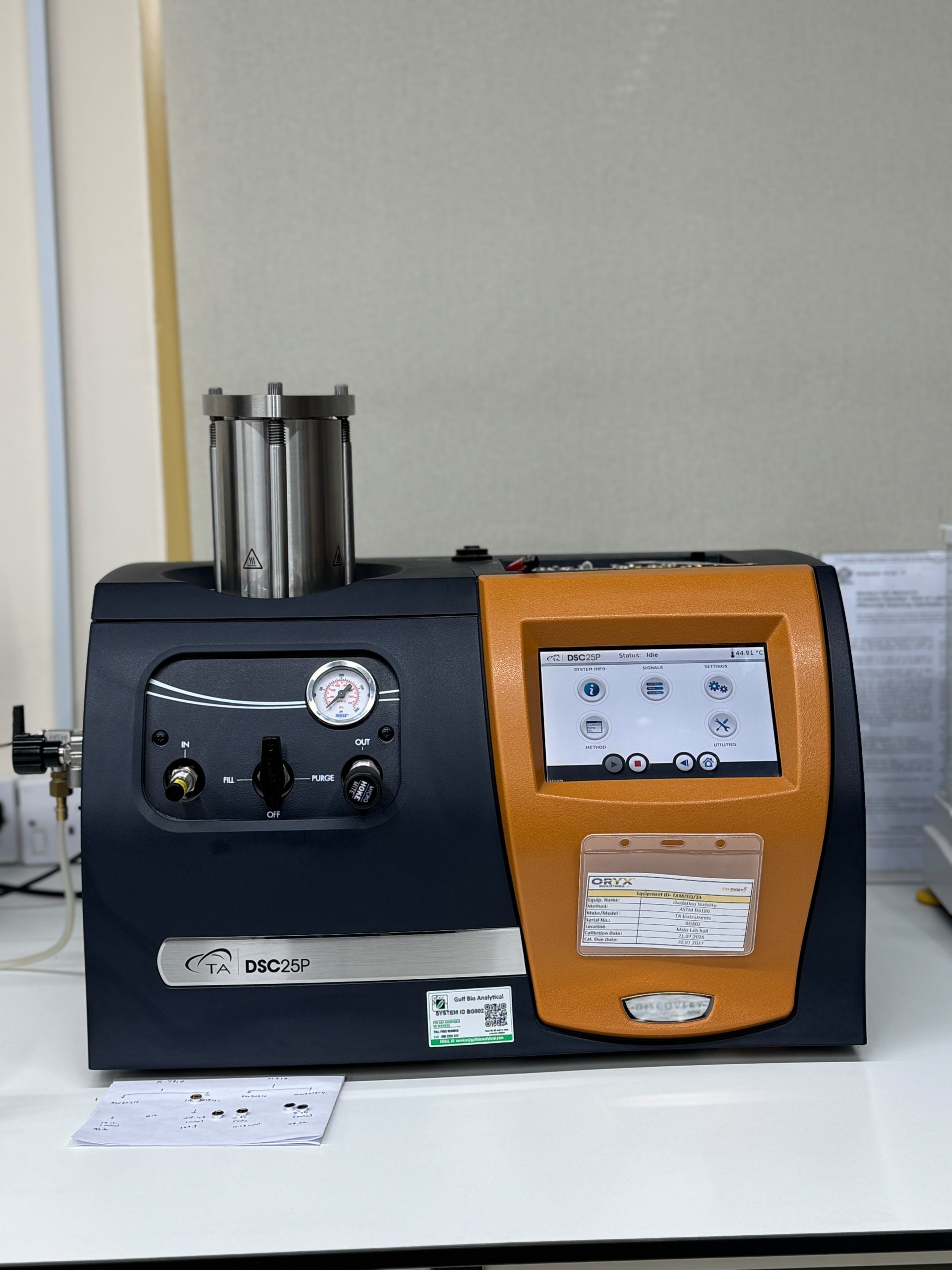
Uses pressure differential scanning calorimetry to assess resistance to oxidation under controlled conditions.
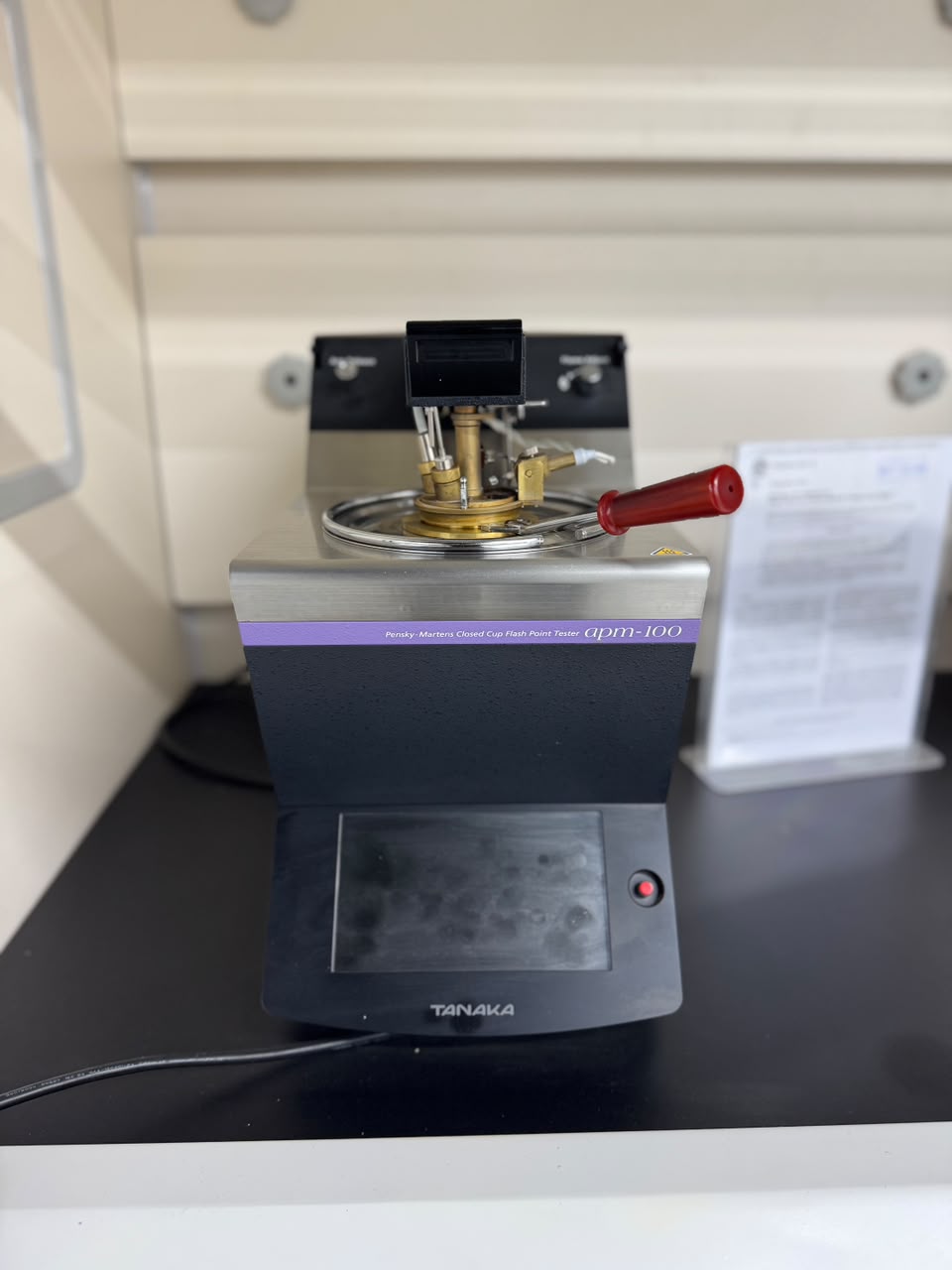
Determines flash point using the Pensky-Martens closed-cup method for suitable liquid samples.
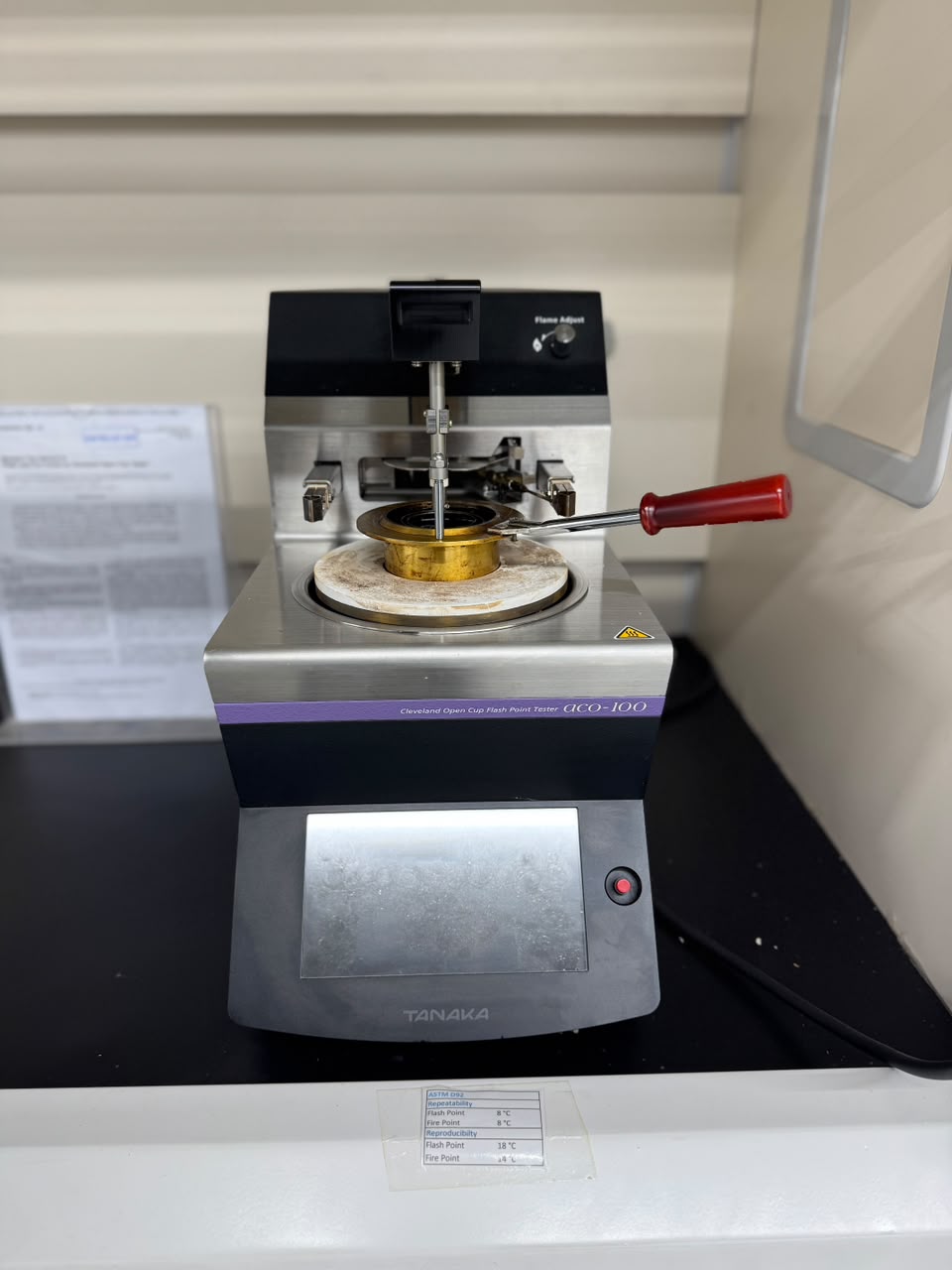
Determines flash point using the Cleveland open-cup method for suitable petroleum products.
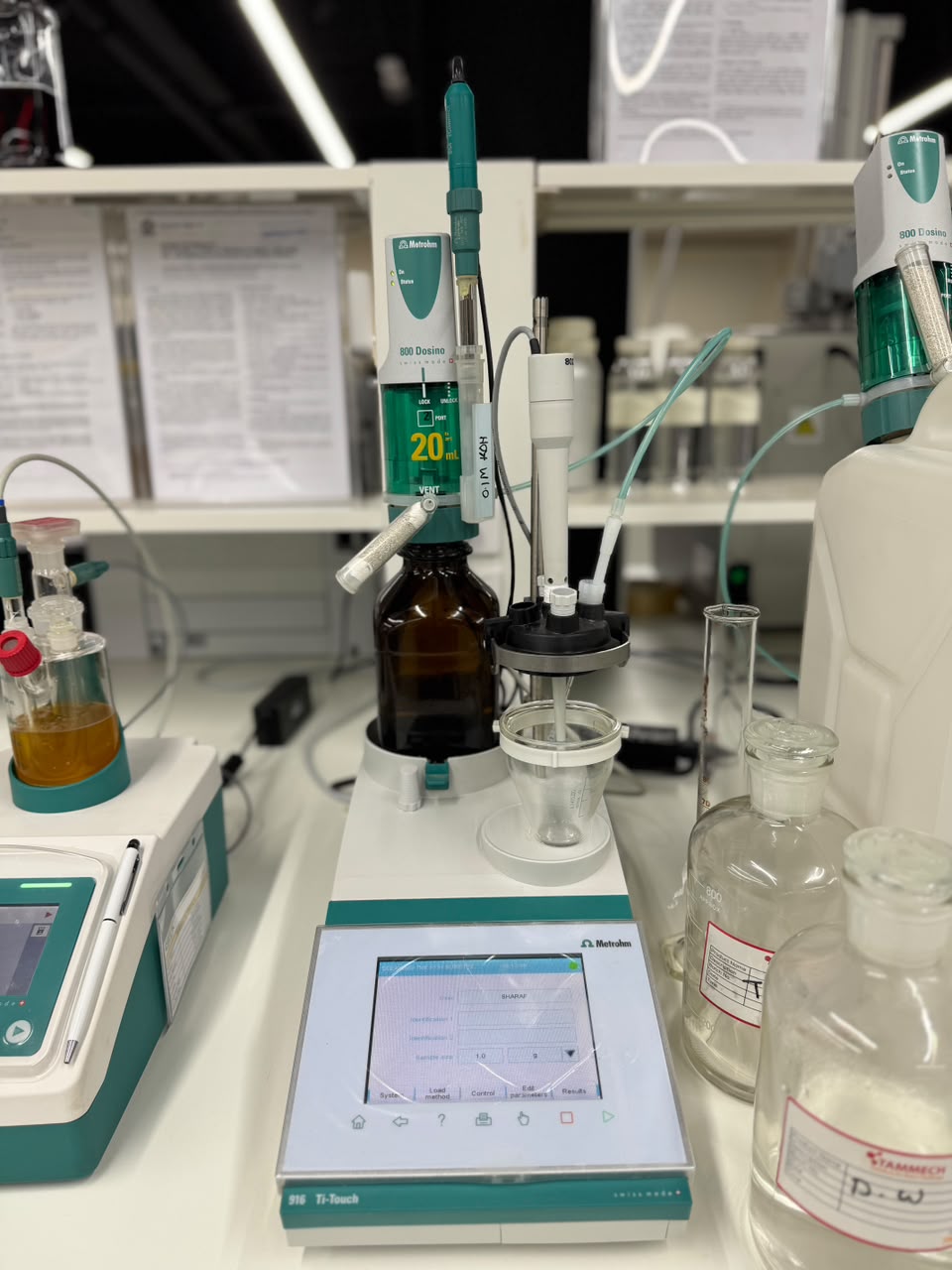
Uses titration to determine total acid number, helping assess acidic constituents in lubricants.
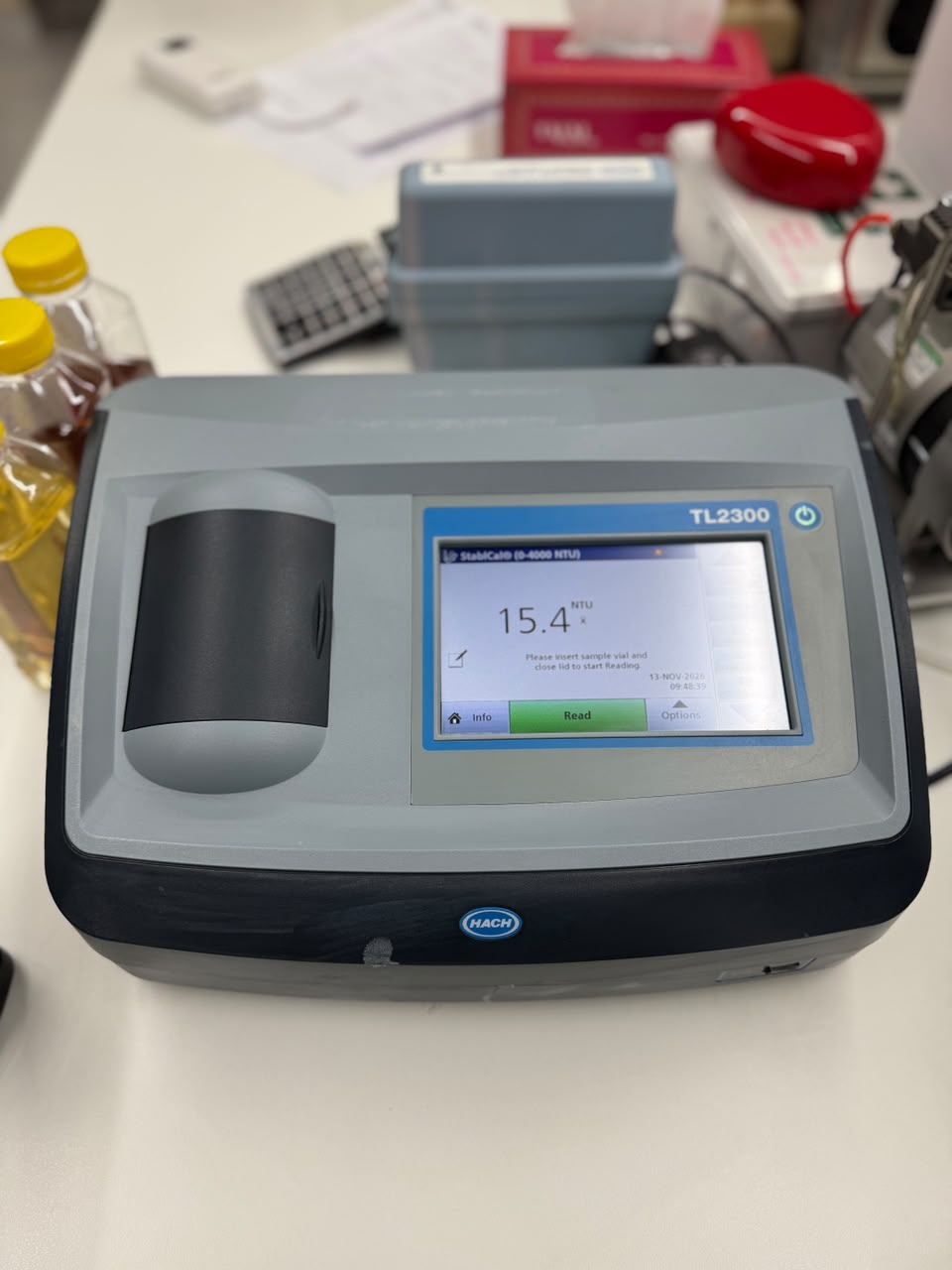
Measures light scattering to assess the cloudiness of compatible liquid samples.
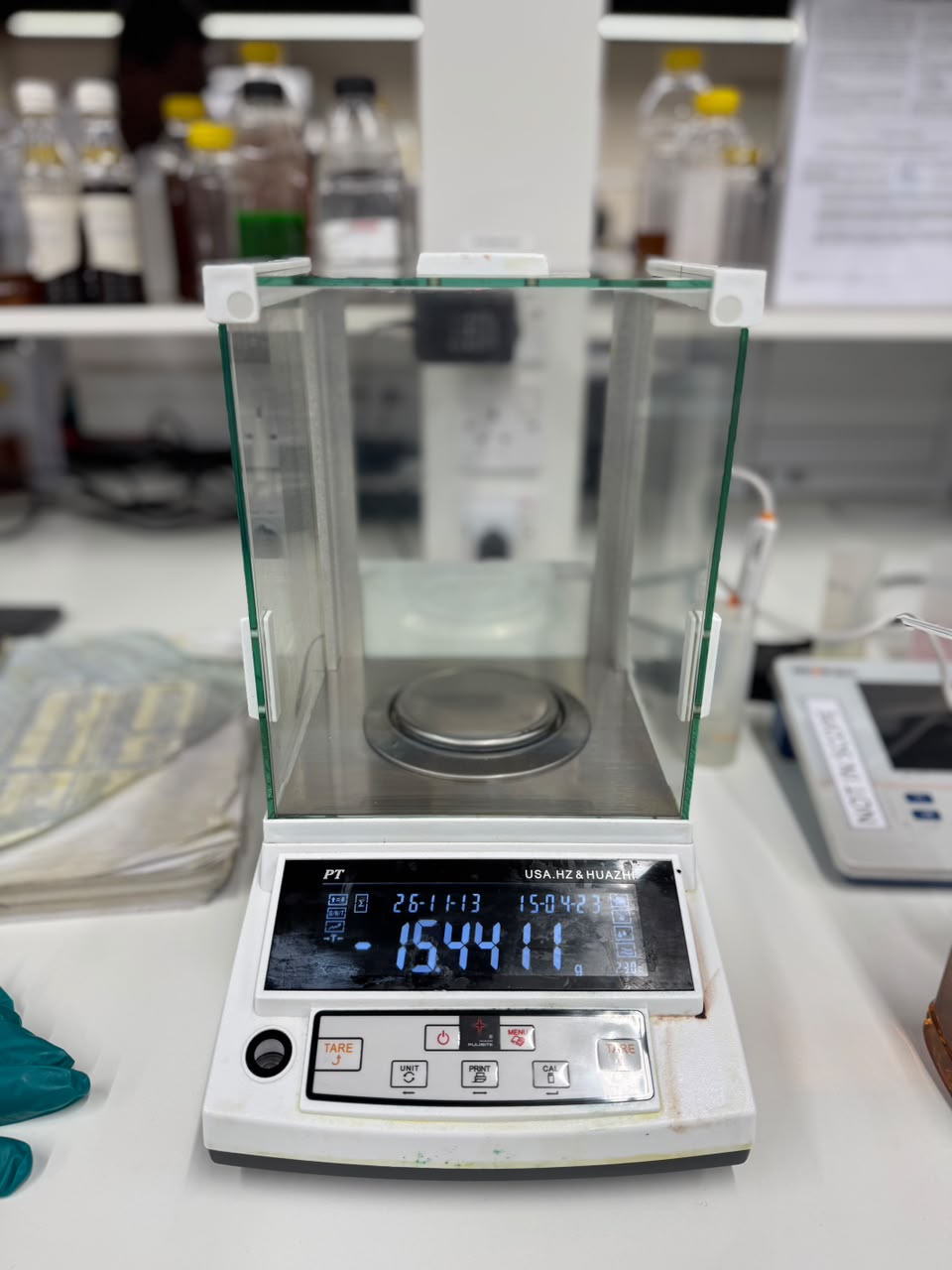
Measures small sample masses accurately for preparation, formulation work, and gravimetric analysis.
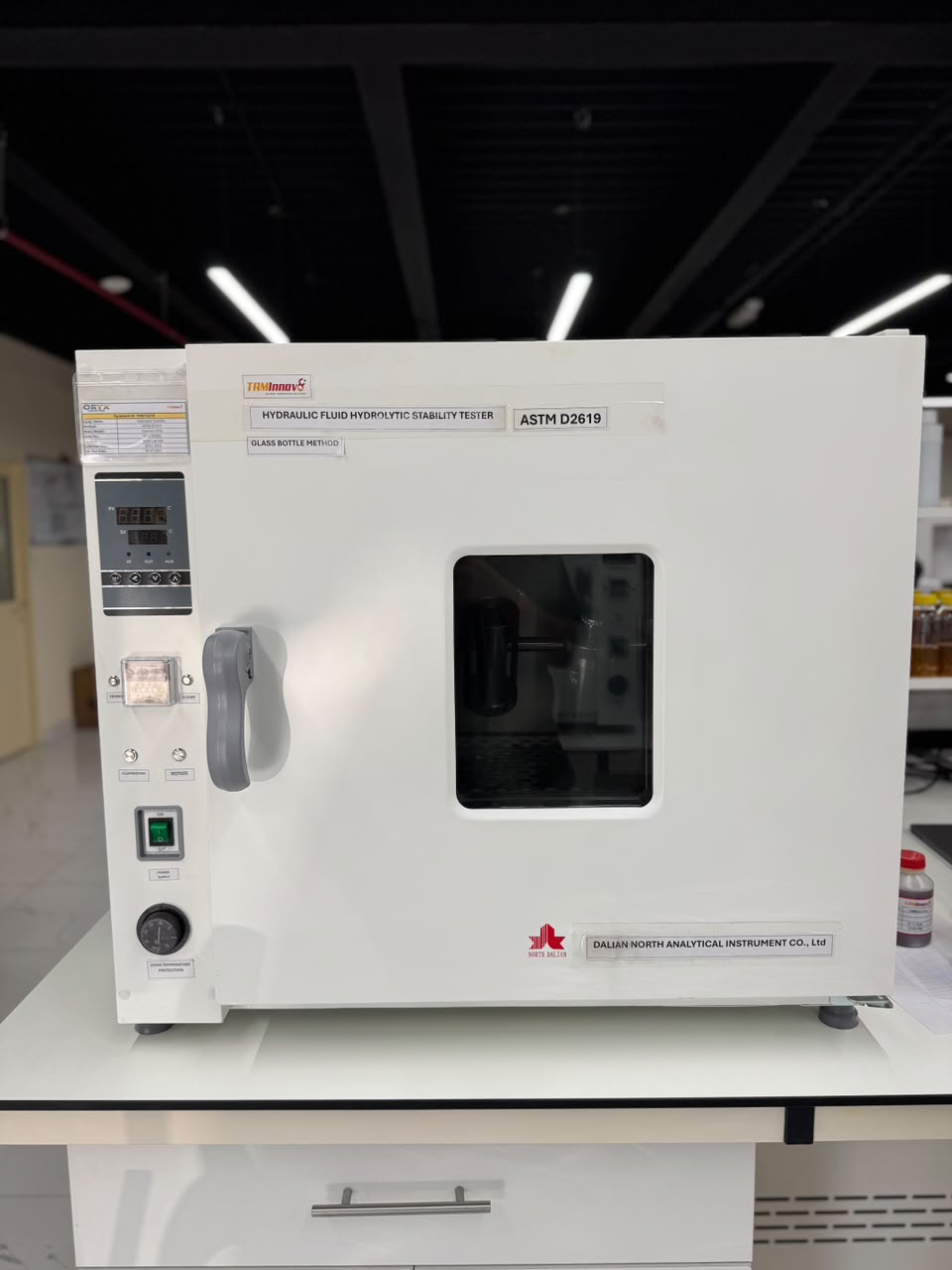
Evaluates hydraulic-fluid resistance to degradation in the presence of water under controlled heated conditions.
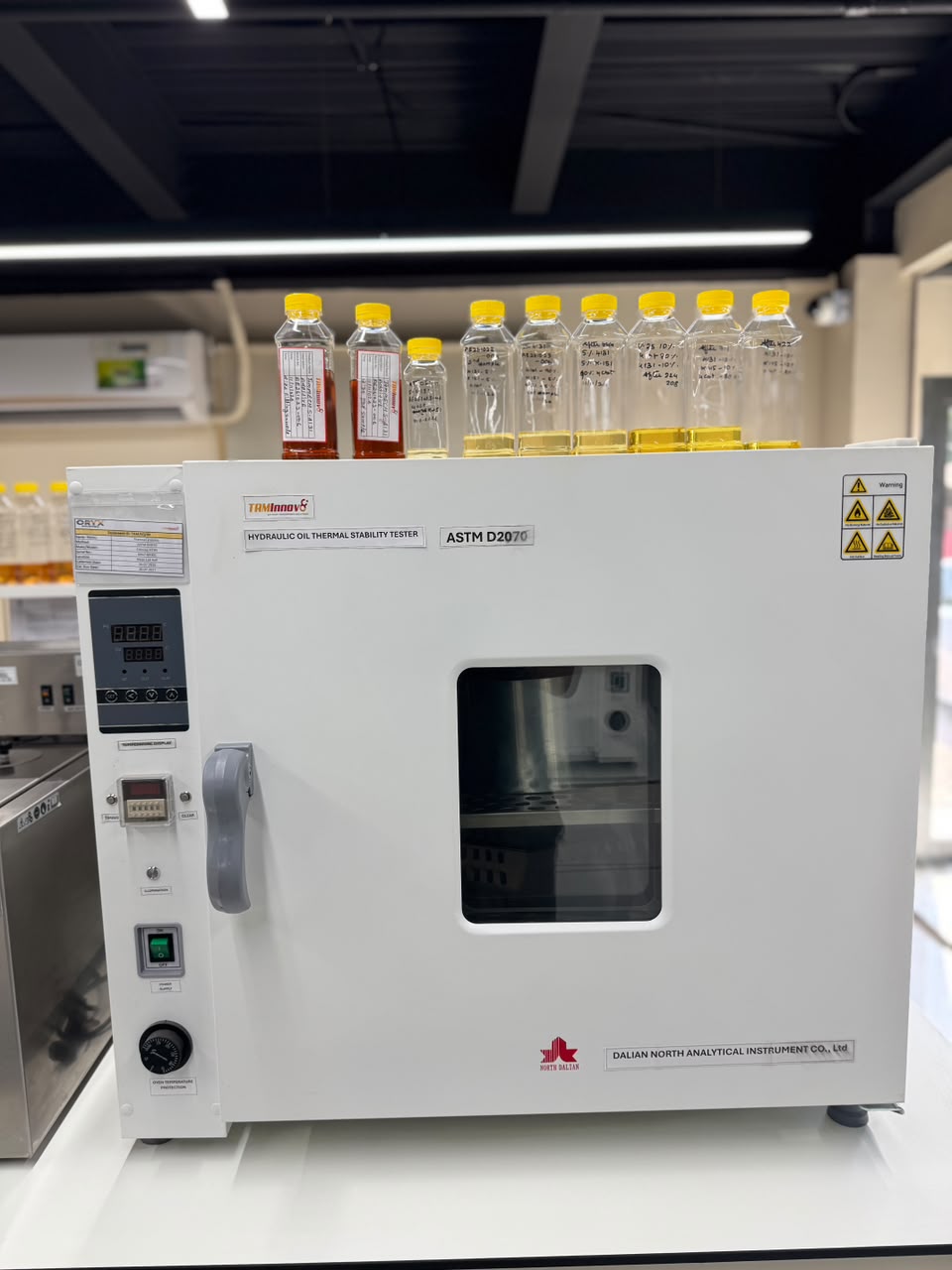
Assesses changes in hydraulic oil after controlled heating, including deposits and effects on test metals.
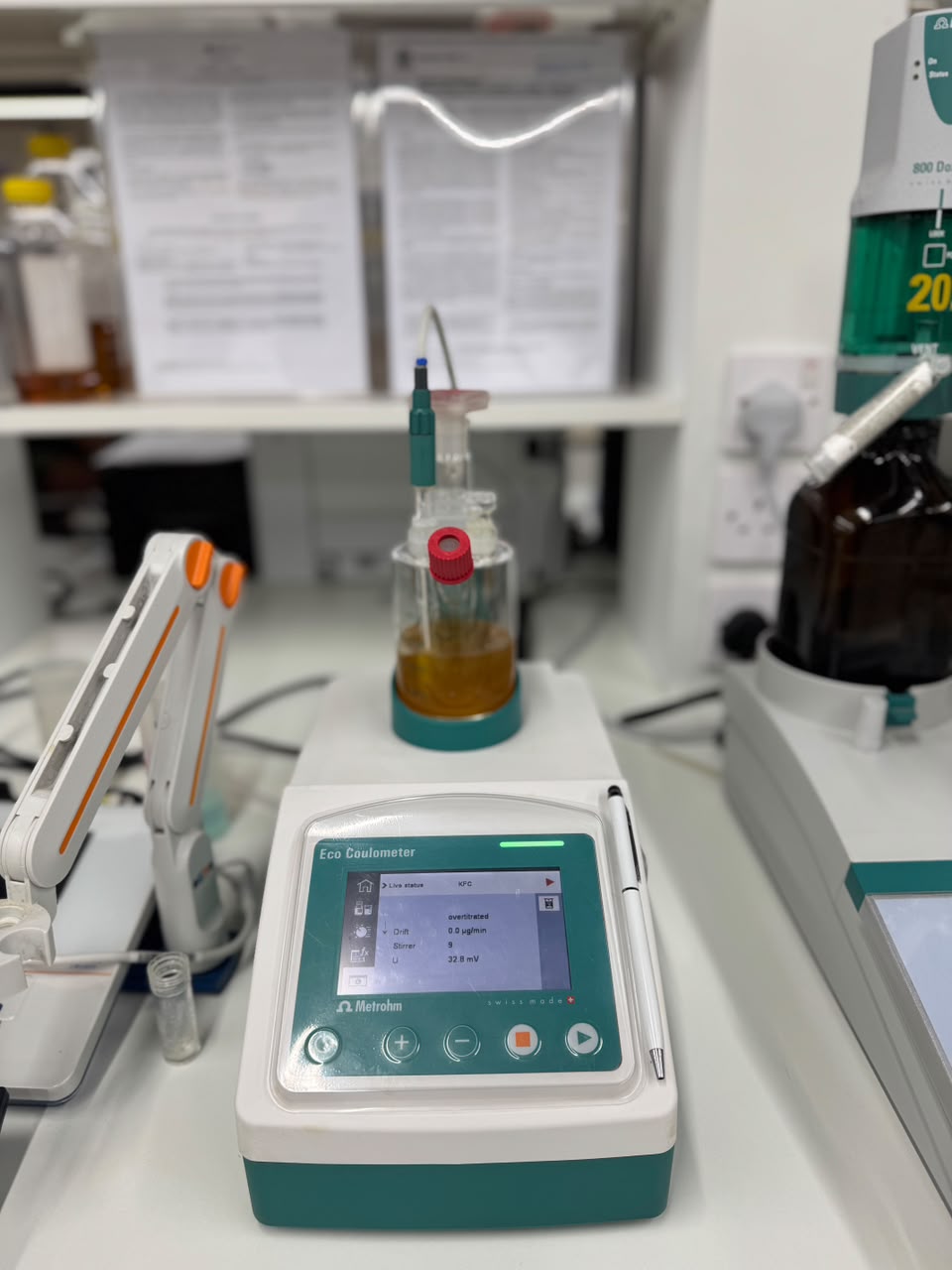
Determines water content by coulometric Karl Fischer titration for compatible sample types.
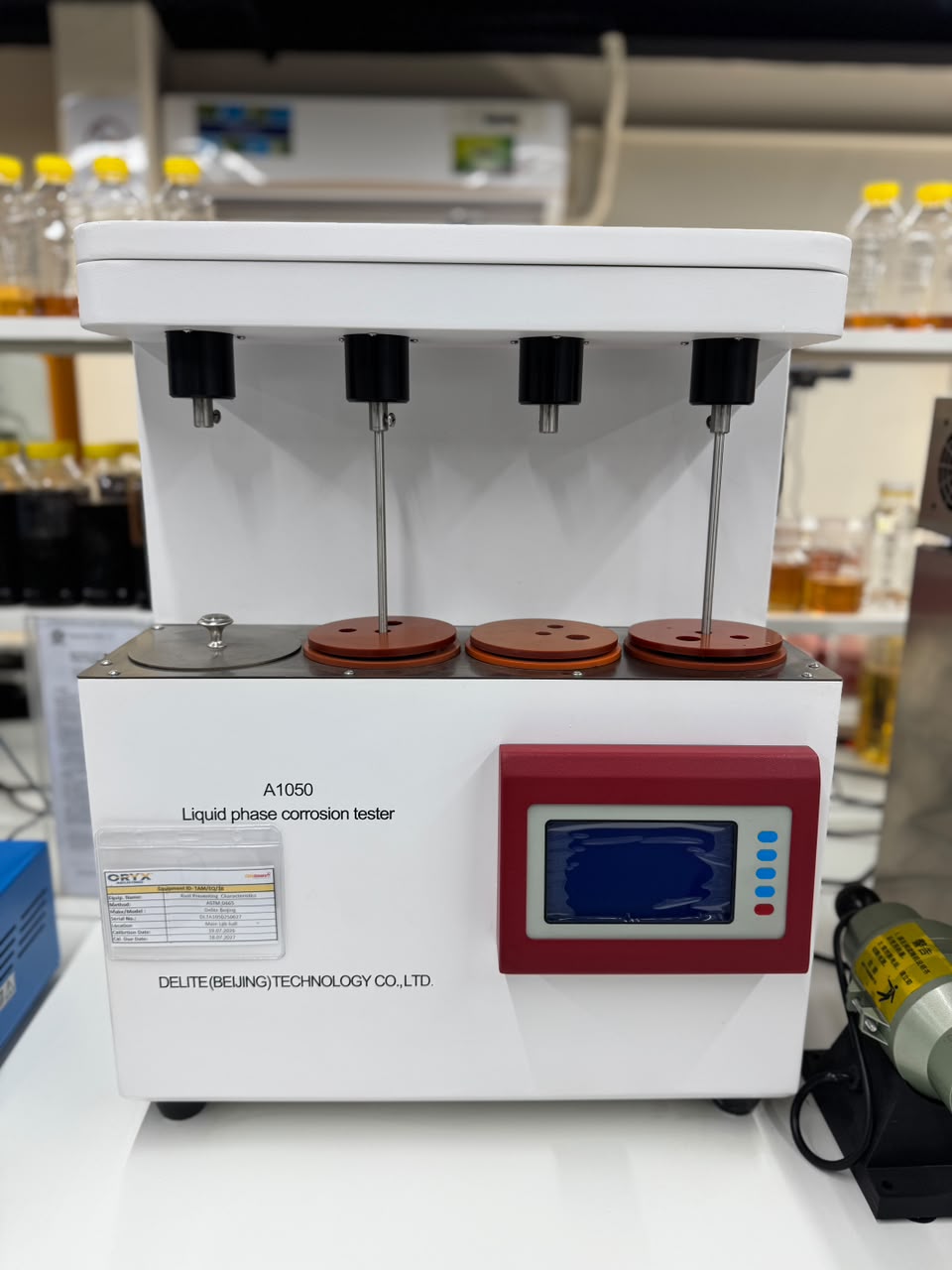
Evaluates interaction between a liquid and test metals under controlled conditions to assess corrosion behaviour.
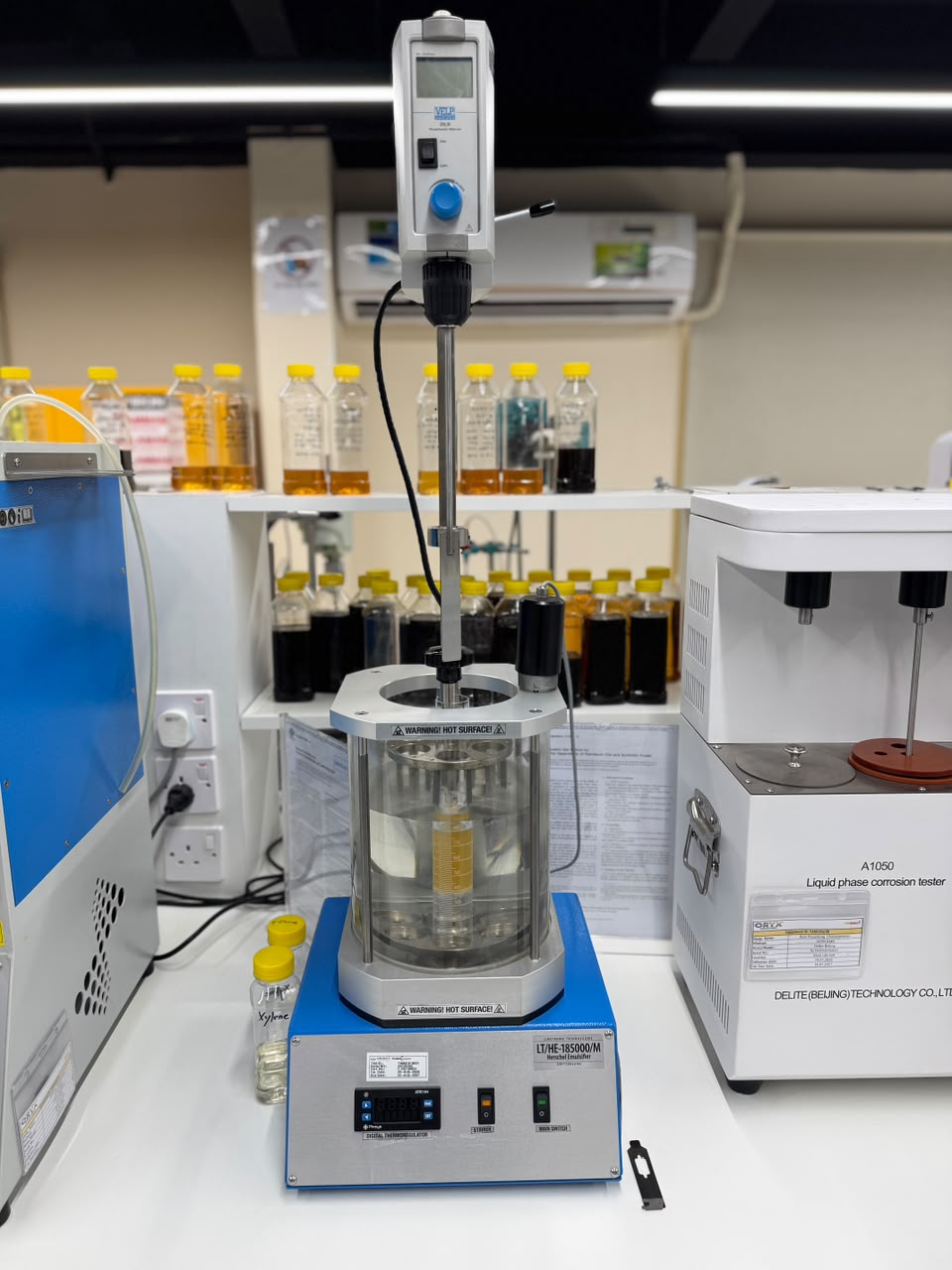
Measures apparent viscosity at controlled low temperatures to assess resistance to flow.
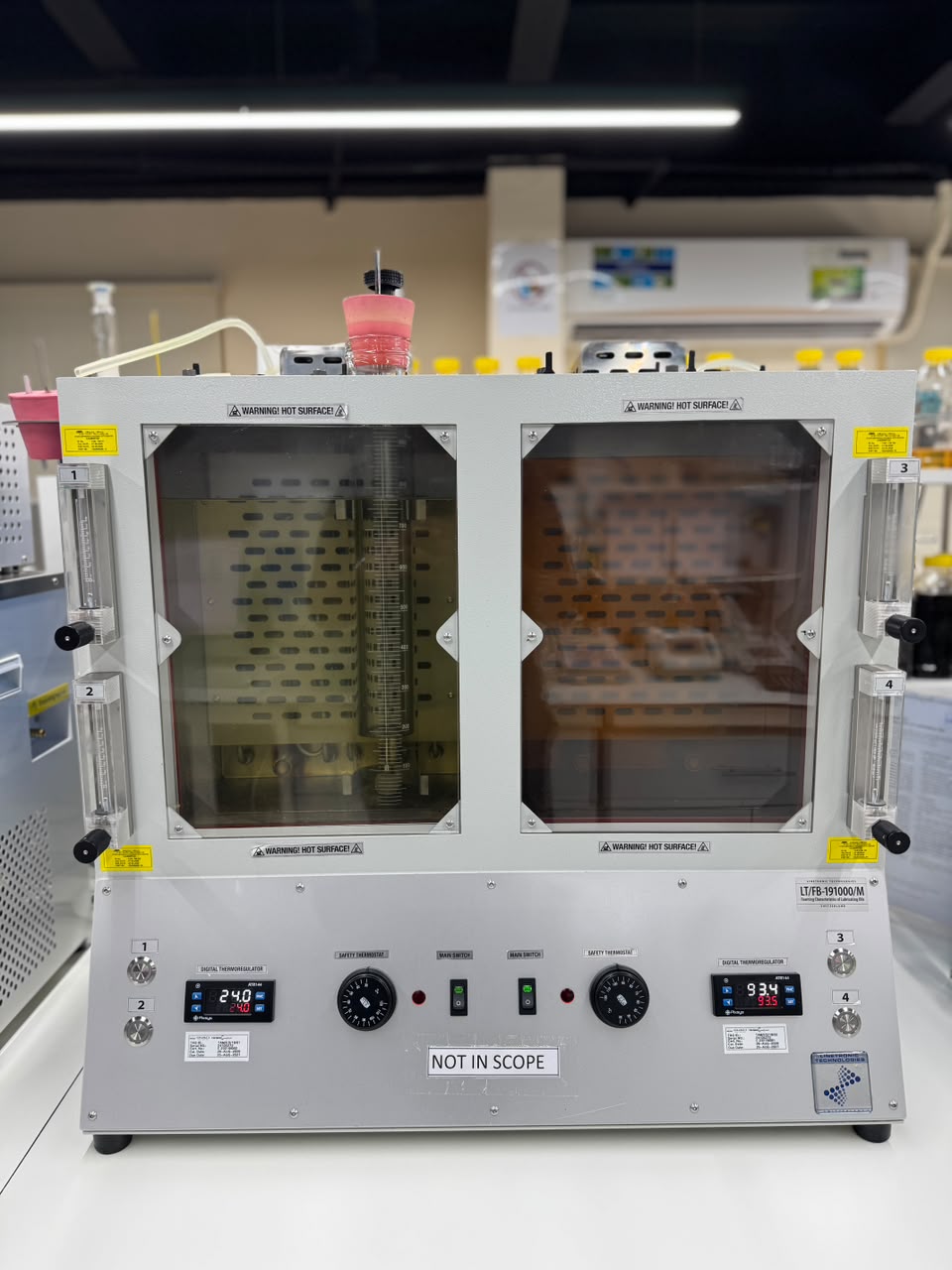
Used to assess oil released from grease under specified conditions, helping evaluate lubricant retention.
Photographed unit identification is provisional in the supplied catalogue.
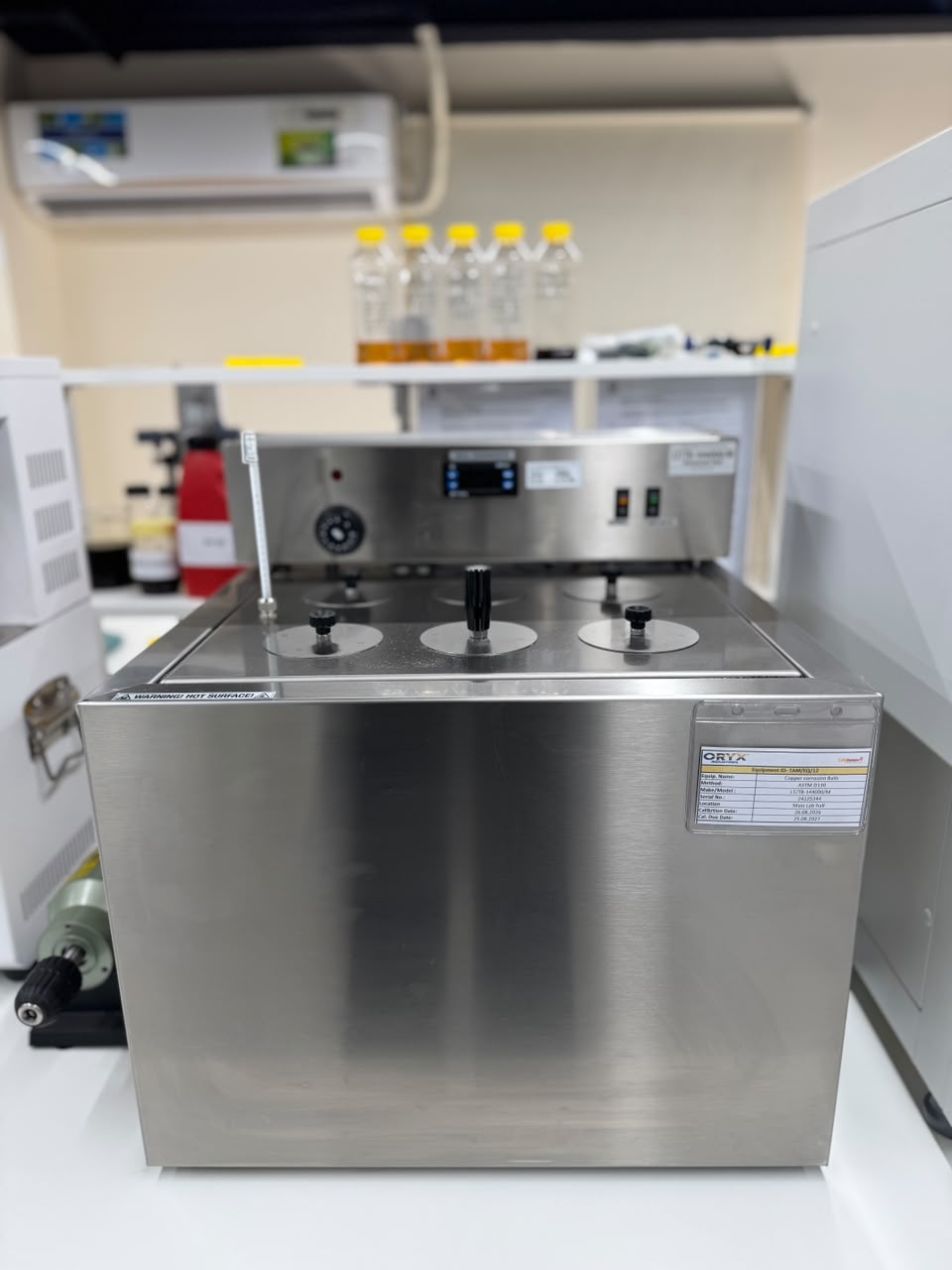
Assesses corrosiveness by exposing a copper strip to a sample under controlled conditions and examining tarnish.
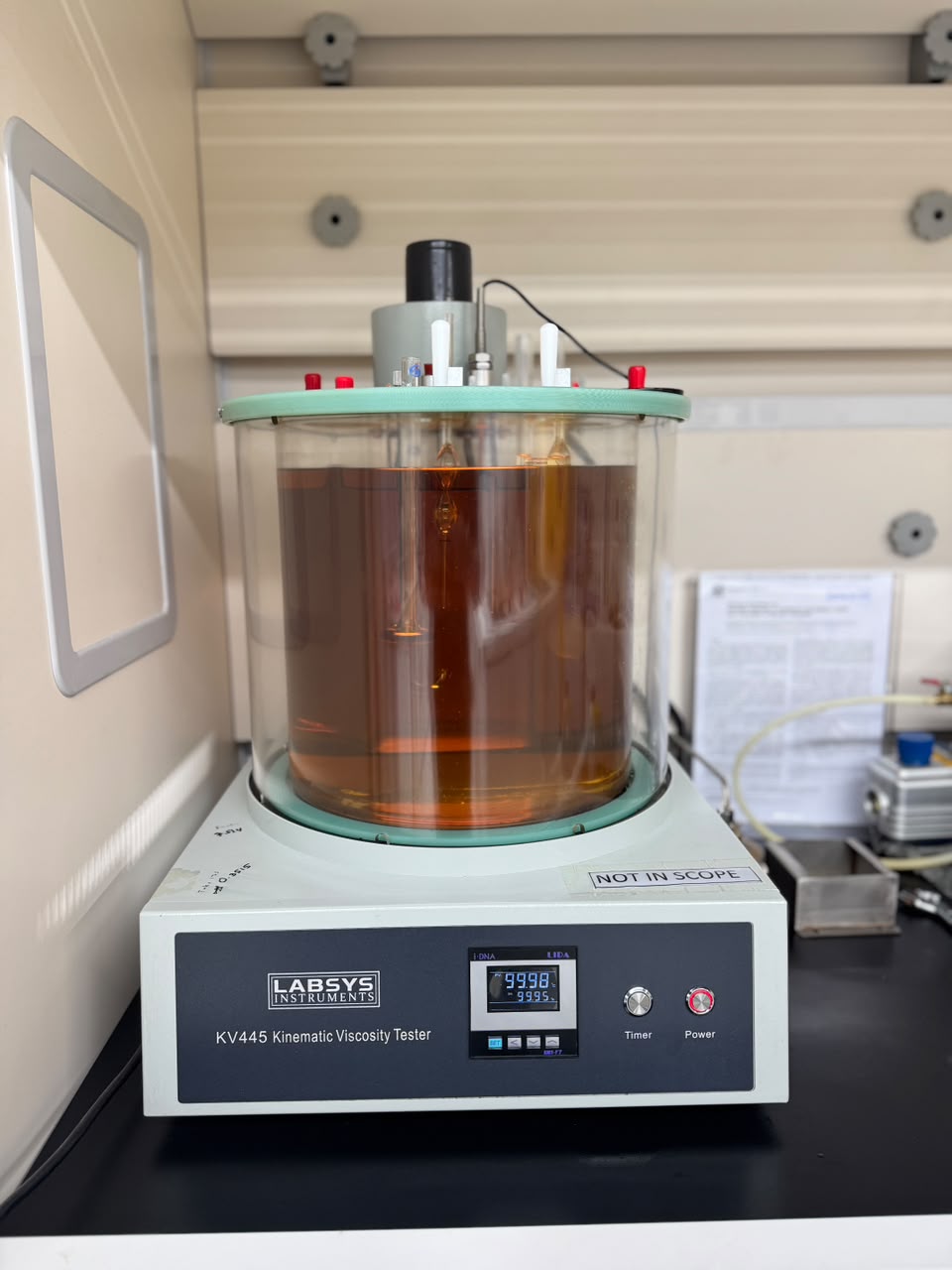
Uses timed capillary flow in a temperature-controlled bath to determine kinematic viscosity.
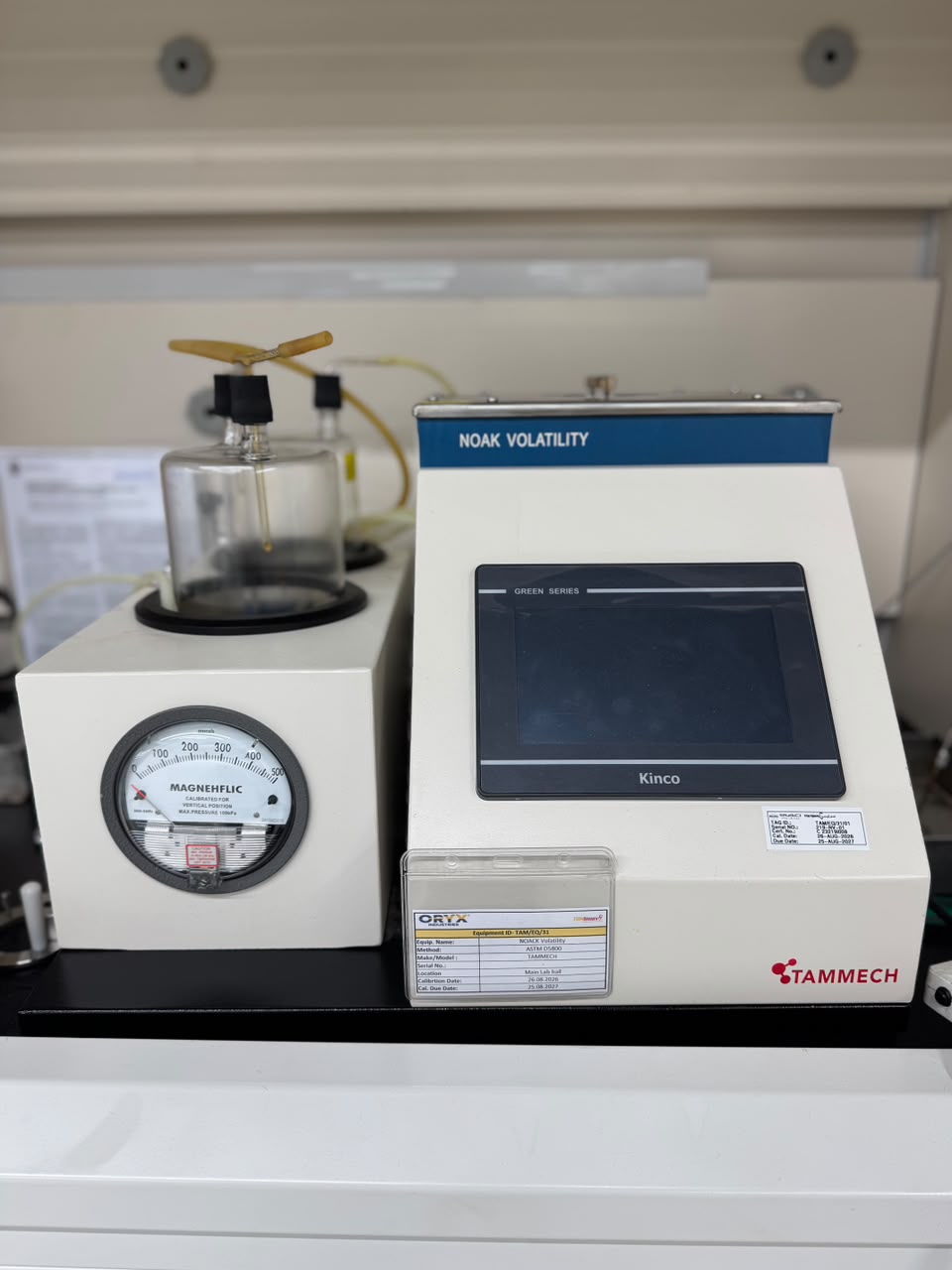
Measures lubricant mass lost through evaporation under specified heated test conditions.
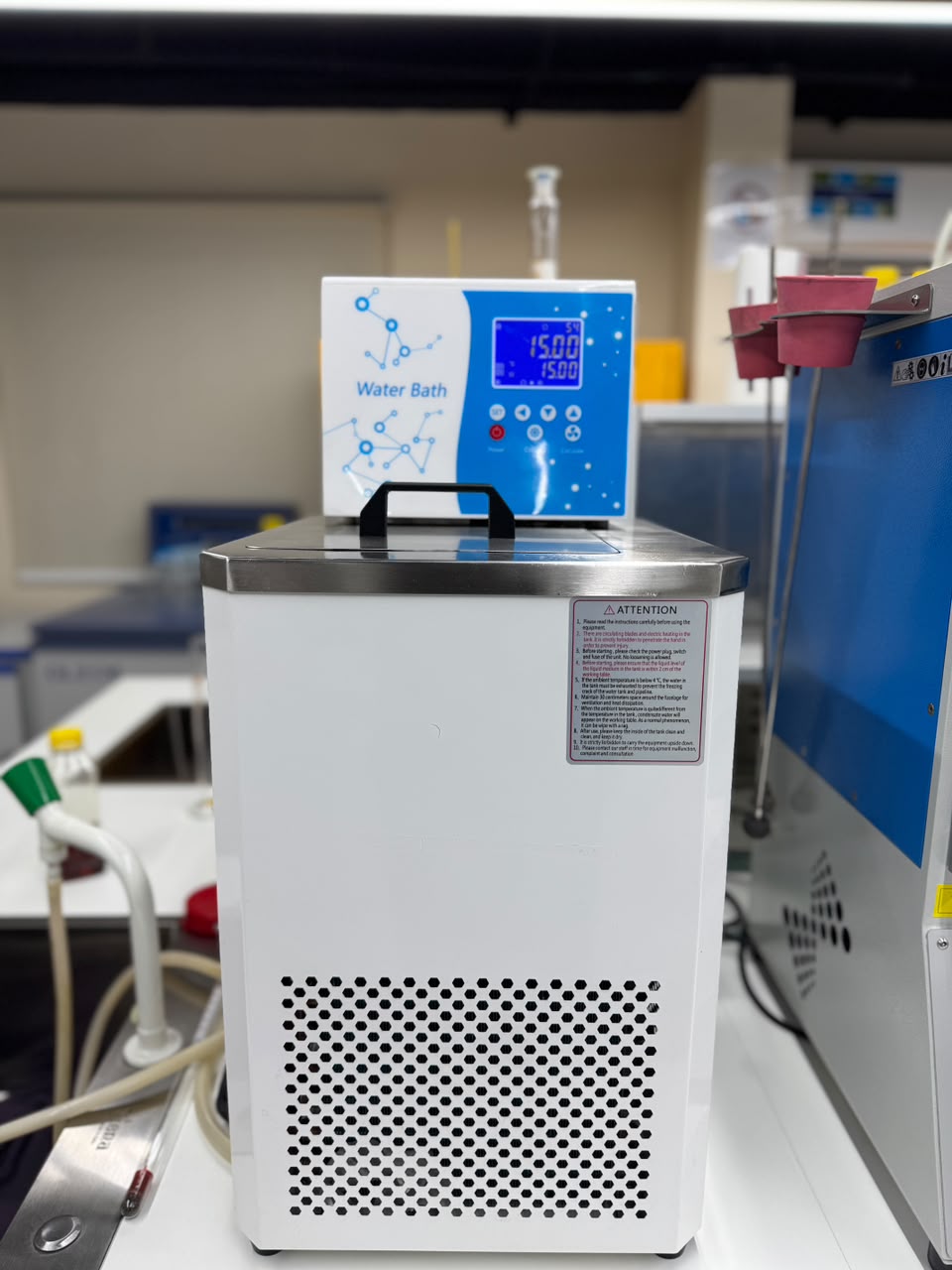
Maintains low, stable temperatures for capillary-viscosity measurements and sample conditioning.
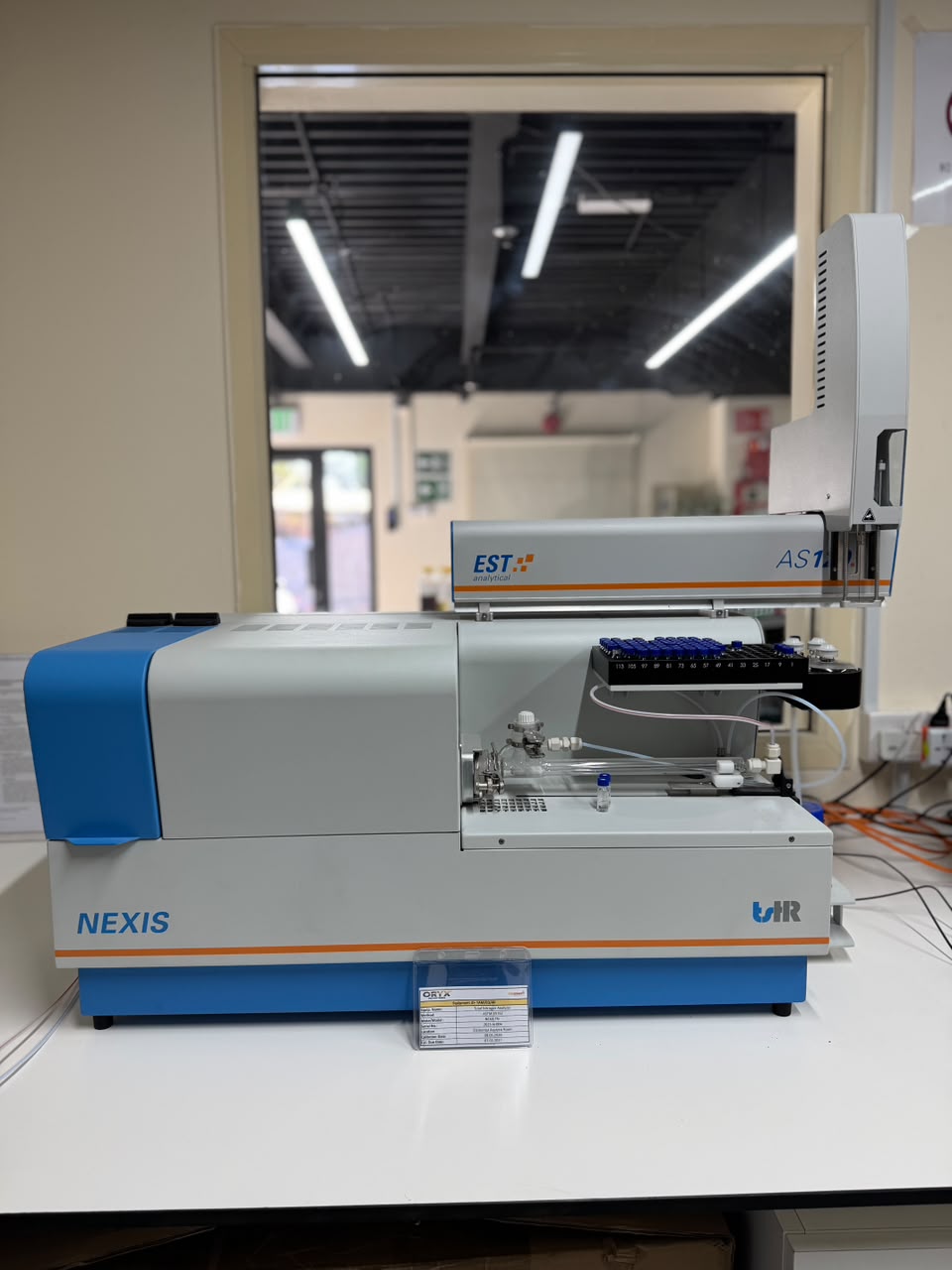
Determines total nitrogen and sulfur in suitable samples using combustion-based analysis.
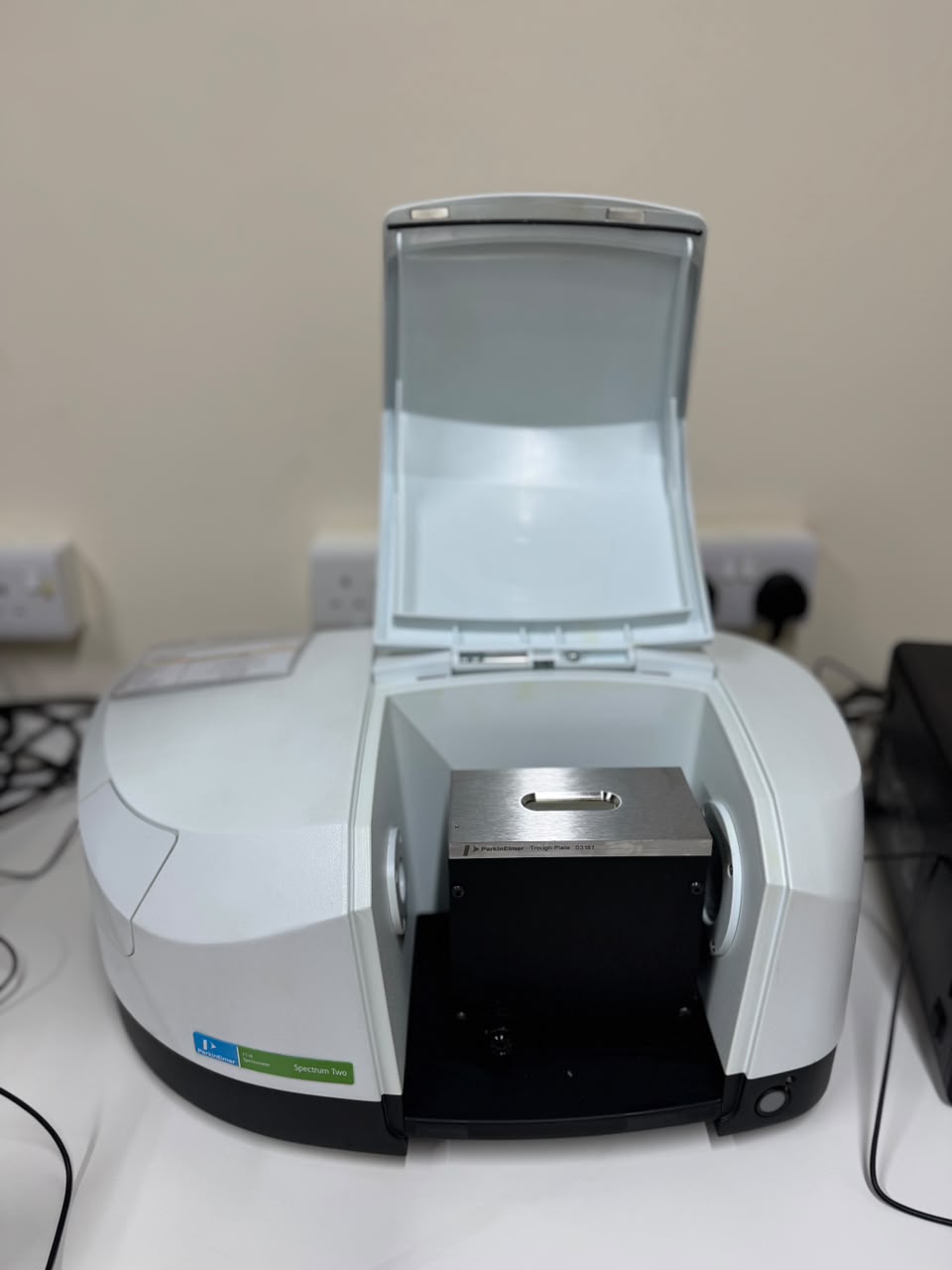
Records infrared spectra to support material identification and comparison of chemical features in samples.
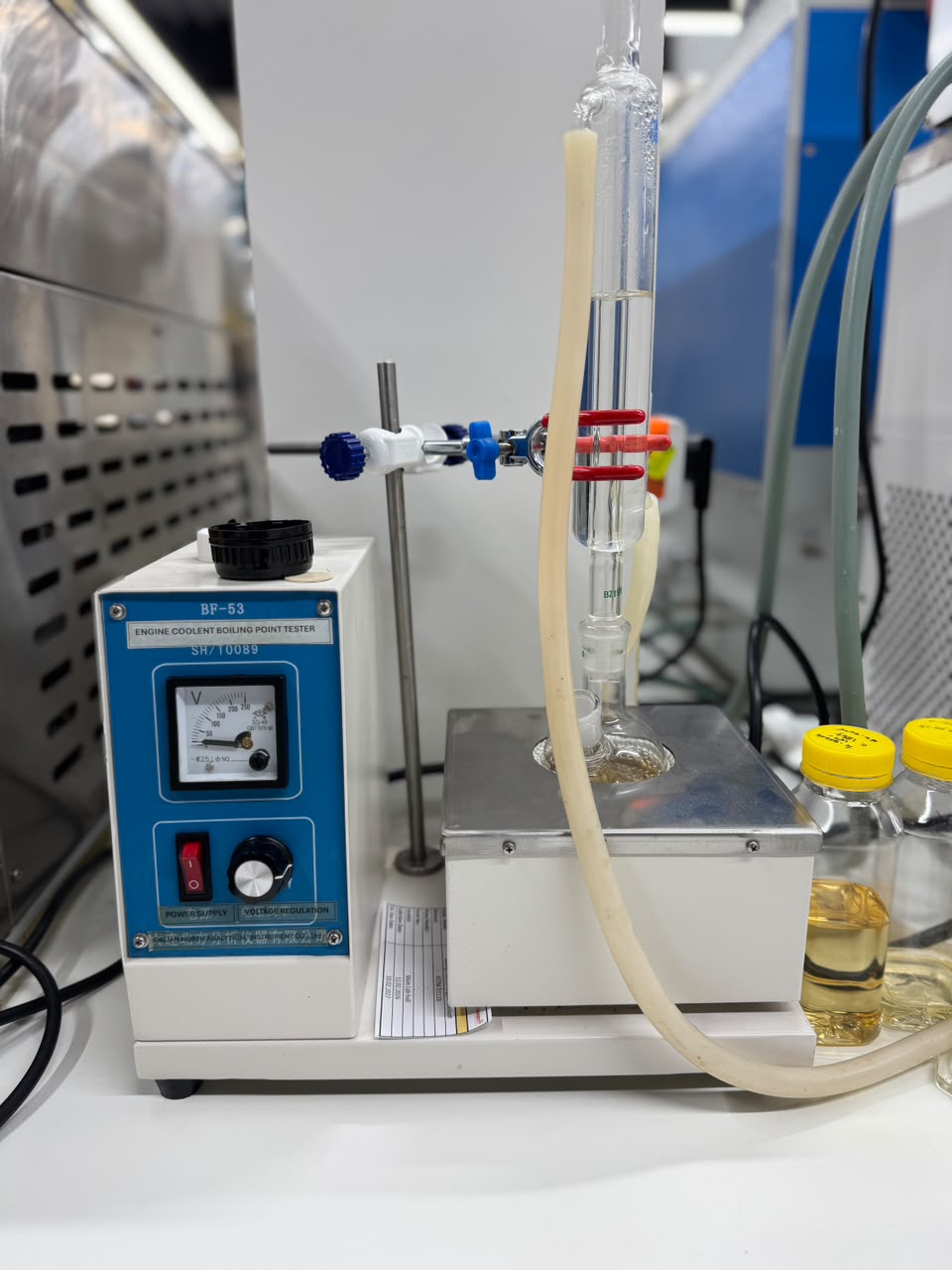
Determines the boiling point of engine-coolant samples under specified test conditions.
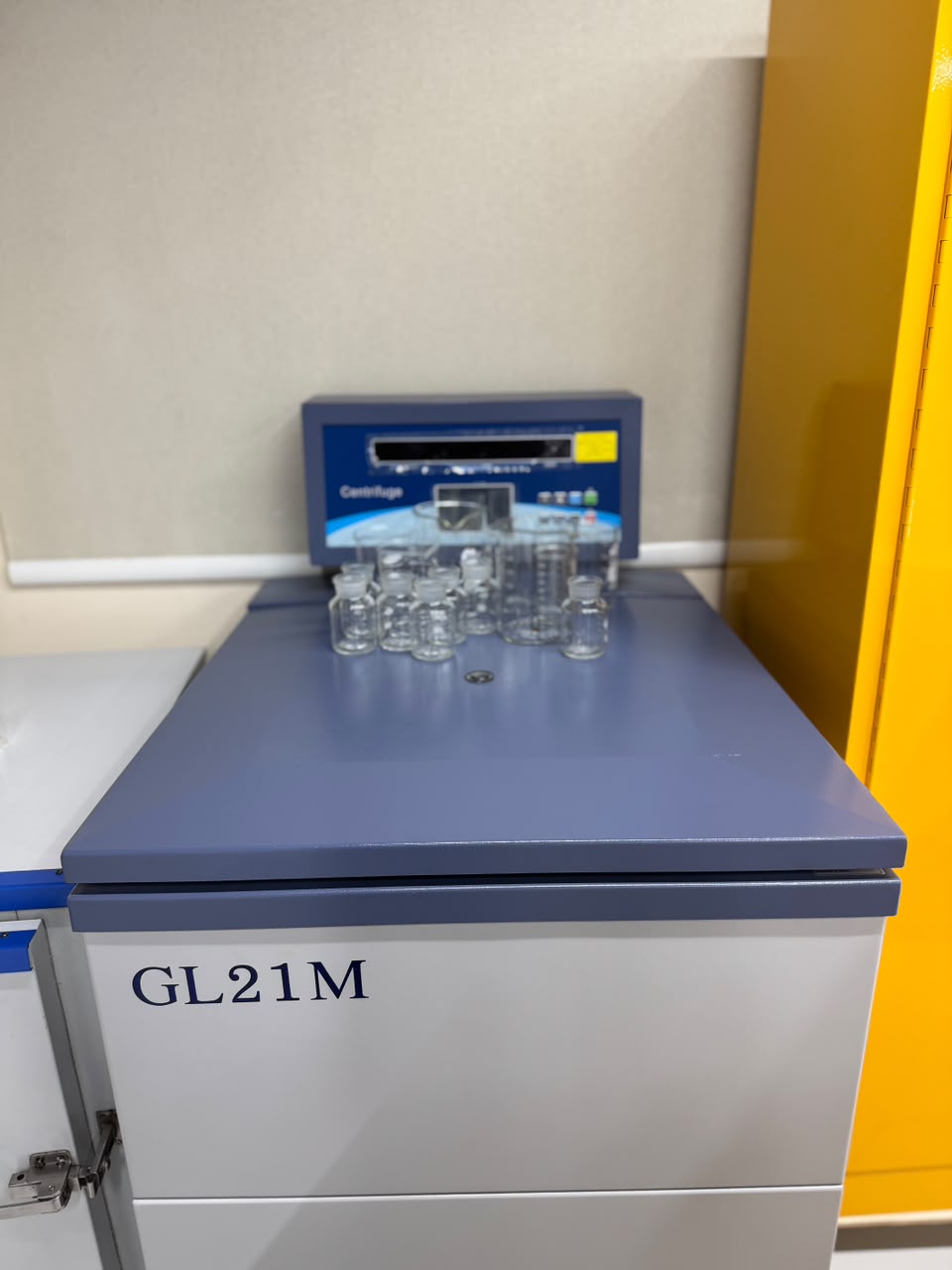
Separates sample components by centrifugal force for preparation and laboratory analysis.
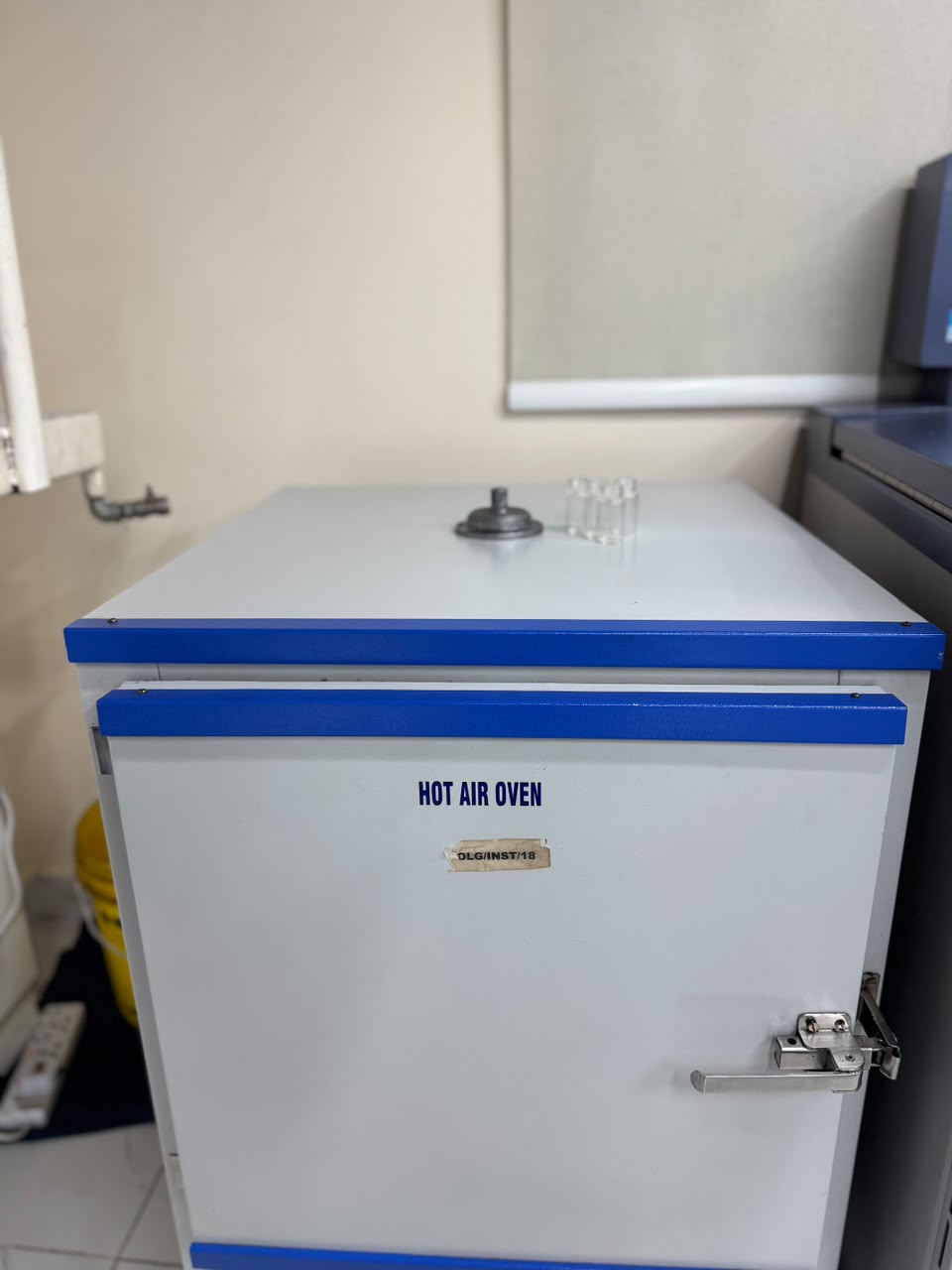
Provides controlled hot-air heating for drying, conditioning, and preparing laboratory samples.
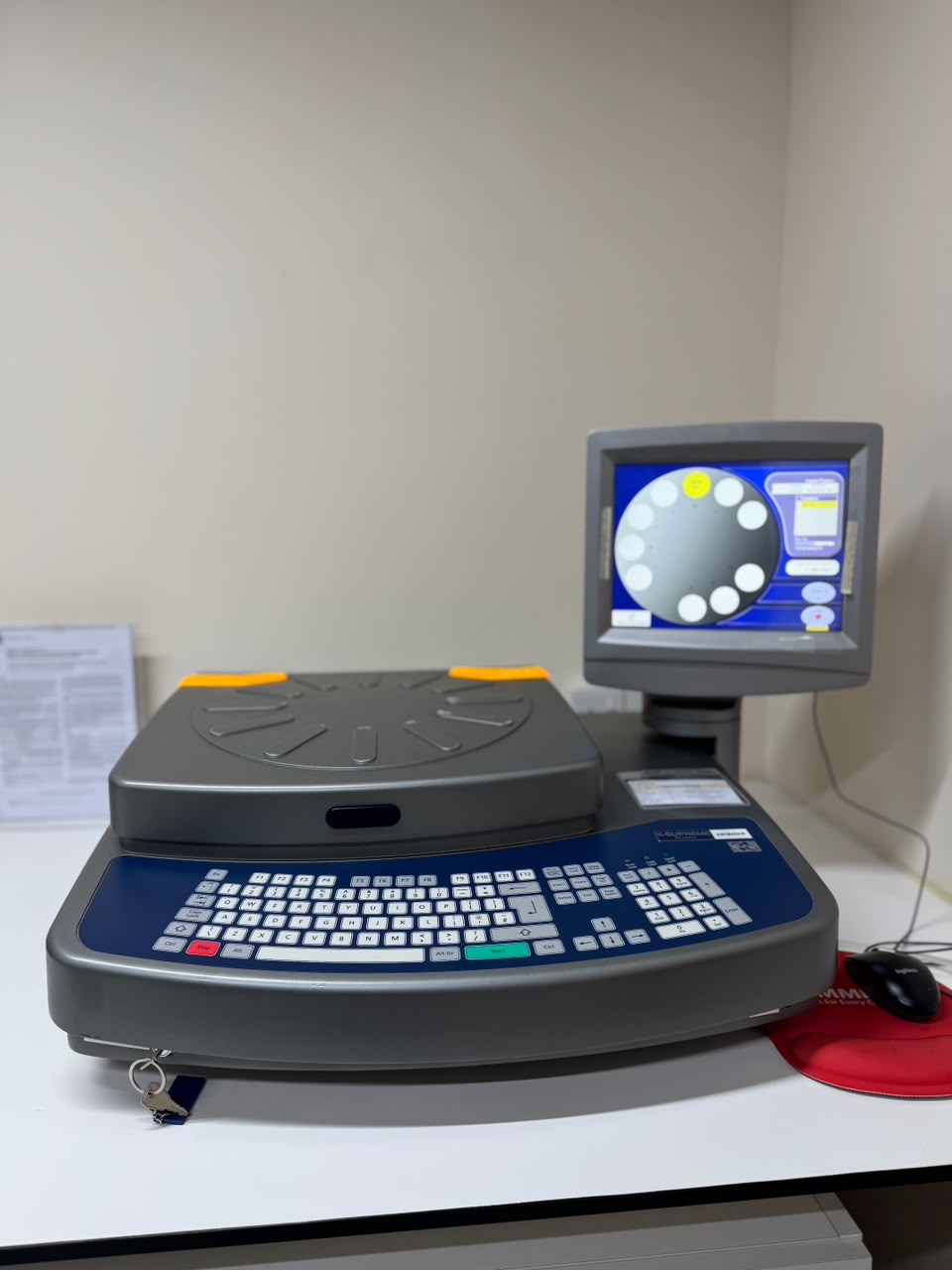
Uses energy-dispersive X-ray fluorescence to identify and quantify elements in compatible samples.
Determines distillation behaviour by heating a sample and tracking its boiling and recovery characteristics.
Try another keyword or select a different category.
Tell us about your sample, application, or formulation challenge. Our team can help identify the relevant equipment and testing approach.